

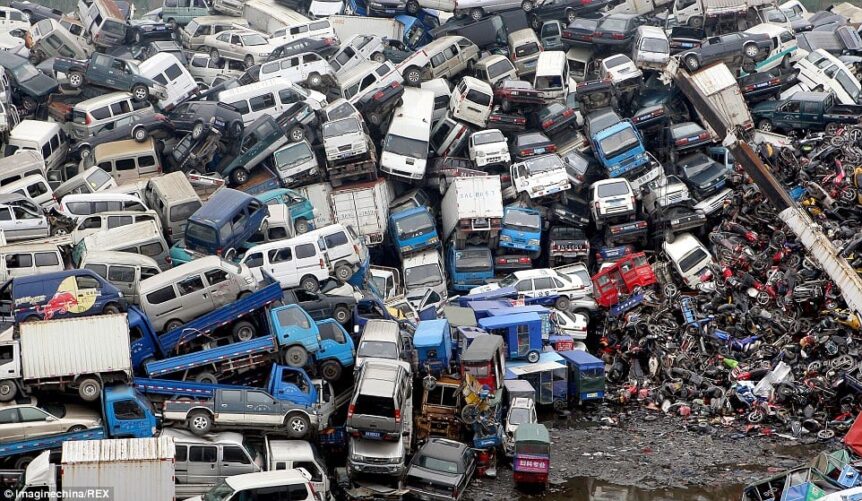
A car being dismantled at a Perth wrecking yard, where scrap cars are stripped for parts and metal

How to Increase Your Scrap Car’s Value in Perth

KobyBlog

Selling a car at the end of its life doesn’t have to mean taking the first low number you’re offered. A scrap car’s worth comes down to two things: the metal it’s made of and the parts that still work. Once you understand how a buyer adds those up, a handful of practical steps can noticeably lift what you walk away with.

What actually decides a scrap car’s value

The metal in the body and chassis is priced by weight against the day’s scrap rate, so a heavier car carries more value as raw steel, aluminium and copper. Sitting on top of that is salvage value — the parts that still work. This is why an offer on a scrap car from a wrecker who resells used parts often beats a metal-only quote from a yard buying purely for tonnage. A straight panel, a working alternator or a near-new set of tyres is worth far more removed and resold than crushed with the shell. Working out which kind of buyer you’re dealing with explains most of the gap between two quotes on the same car.

Have your service history ready

If you’ve kept the logbook and repair receipts, put them together before you start getting quotes. On a purely metal price it changes nothing, but a wrecker who resells parts will pay a little more when they can see the engine, gearbox and electrics were maintained rather than run into the ground. It is the cheapest way there is to nudge an offer upward, and it costs you nothing but a few minutes in the filing drawer.

Strip the parts worth money first

The components with their own resale market are worth pulling before the car is weighed in — if you have the time and a buyer lined up:

  • the battery, and the catalytic converter, which is often the single most valuable item on an older car
  • the alternator and starter motor
  • the infotainment or head unit and any working electronics
  • a good set of tyres and wheels, plus undamaged panels, lights and mirrors

Common models move fastest. A Mitsubishi Triton or Pajero has steady demand for used panels and mechanical parts across Perth simply because there are so many of them on the road. Two cautions before you start: some buyers cut their whole-car offer if the vehicle turns up already stripped, so check first, and never remove a catalytic converter without a legitimate buyer lined up.

Sell it whole, or part it out?

Parting a car out can return more than a single scrap payment, but it is a genuine project — photographing parts, answering messages, packaging and posting, and storing the shell until it’s stripped. Selling the whole car to one buyer is faster and leaves nothing behind to dispose of.

The other question is whether the car should be scrapped at all. If it still drives and the panels are straight, it may be worth more as a used car than as raw material, so weighing up selling versus scrapping is worth doing before you commit either way.

Watch the scrap metal price

Scrap metal isn’t a fixed rate. It moves with global demand, sometimes noticeably over the space of a few weeks. If the car isn’t urgently in the way and there’s no safety or licensing reason to move it now, it’s worth asking a couple of yards where prices are sitting before you commit. Selling into a stronger market can add a useful amount on a heavier vehicle. Don’t spend months chasing a peak, though — a car standing outside deteriorates and parts have a way of walking off.

Get a few quotes and let them compete

Never take the first number. Get quotes from at least three buyers, and mix scrap yards with car removal services, because the two value a car differently. Once the quotes are in front of you, tell each buyer what the others have offered and ask whether they can better it. Compare what’s actually included as well: free towing, same-day pickup and payment on collection are standard from a good operator, and a quote that leaves those out isn’t the higher offer it first looks like.

When it’s a junk car, not a project

Not every tired car is worth optimising. There’s a point where the effort spent chasing a bit more value is worth more than the value itself, and recognising that early saves you weeks.

If the car hasn’t run in years, won’t pass a roadworthy and has more rust than solid metal, treat it as a junk car: get a fair whole-car quote and move it on. Holding out for a better scrap price rarely pays here, because a car left standing loses parts and structure faster than the metal market rises.

Getting the car collected in Perth

Once you’ve accepted an offer, a good removal service handles the rest — a pickup window, free towing whether the car runs or not, and payment on collection. Clear access helps: if the car is behind a locked gate or boxed in, sort that out before the tow truck arrives so it isn’t turned away.

Pickups cover the whole metro area, so a seller in Midland or the eastern suburbs is reached as easily as one near the yard. Before the car is loaded, take your plates if you’re keeping them and clear out the glovebox and boot — licence papers and personal bits are easily left behind.

Every scrap car is different, and the only real way to know what yours is worth is to have someone price it on the details. Tell a buyer the make, model and year, whether it drives, what’s damaged and where it is, and ask them to confirm the figure before pickup rather than quoting blind over the phone.

Frequently Asked Questions

How is a scrap car’s value worked out in Perth?
It comes in two parts. The metal in the body and chassis is priced by weight against the current scrap rate, so heavier cars are worth more as material. On top of that, a wrecker adds the value of any parts that can be resold — engine, gearbox, alternator, catalytic converter, panels and wheels. Whether the car still runs matters less than how complete and rust-free it is.

Is it worth pulling parts off before I scrap the car?
It can be, if you have the time and somewhere to sell them. Batteries, catalytic converters, alternators, starter motors, infotainment units and good tyres all have their own resale market. But selling parts one at a time is slow, and some buyers reduce their whole-car offer if the vehicle arrives stripped, so check with your buyer first.

Do I need a roadworthy certificate to sell my car for scrap?
No. A roadworthiness inspection applies when you’re licensing a vehicle for the road — a first WA licence, an interstate vehicle, or a licence that has lapsed by more than three months. Selling a car for parts or scrap doesn’t require one (transport.wa.gov.au).

What do I do about the paperwork after scrapping my car in WA?
Lodge a Notification of Change of Ownership – Vehicle Licence Transfer (form MR9) with the Department of Transport within seven days of handing the car over, recording the yard’s name and address. Failing to do so means a penalty applies. If you want to keep personalised plates, remove them before collection; standard plates stay with the vehicle (transport.wa.gov.au).