


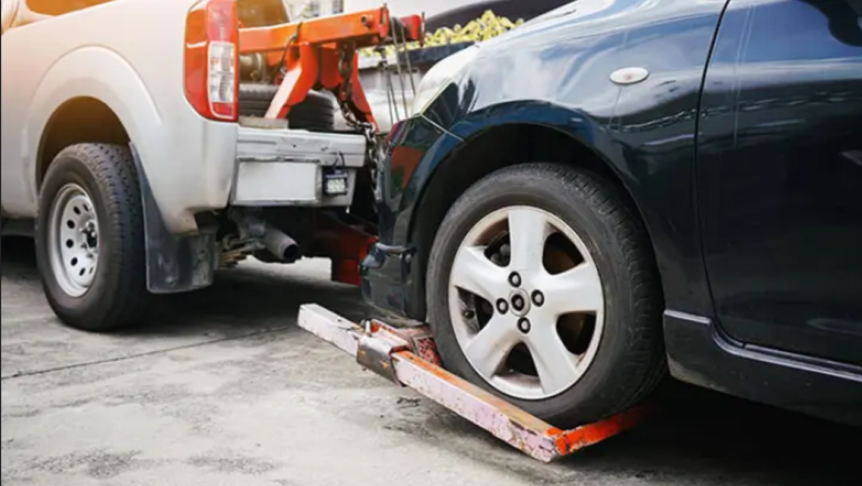
A crash leaves you with decisions to make quickly, and the car is one of them. Depending on how bad the damage is and whether you were insured, you might repair it, hand it to the insurer as a total loss, or sell it in the state it’s in. None of those is automatically the right call.
This guide walks through the realistic options for an accident-damaged car in Perth – repairing it, letting the insurer take it, or selling it with the damage unrepaired – along with how the damage changes what the car is worth, how a sale and removal work, and the paperwork you lodge with the licensing authority.
Your options after an accident
Once the car is off the road, there are four main paths:
- Repair it – through your insurer if you’re covered and the repair stacks up, or privately if the damage is light and you have the quotes to back it.
- Take the total-loss payout – if the insurer writes it off, they usually keep the wreck and pay you its agreed or market value, though you can sometimes buy the salvage back.
- Sell it repaired – fix it first, then sell to a private buyer. This only makes sense when repair costs are low against the car’s value.
- Sell it as-is – pass it to a licensed wrecker or a buyer who takes damaged cars, with the damage unrepaired. No panel work, no roadworthy inspection, and it can be a non-runner.
If you’re not insured, or the excess and the hit to your premium outweigh a modest claim, selling the car unrepaired is often the cleanest way to draw a line under it.
Is it worth repairing?
A rough industry guideline is that once repair costs pass roughly 50 to 70 per cent of what the car is worth, repairing stops making financial sense. Structural damage, deployed airbags and anything involving driver-assist sensors that need recalibration push the bill up faster than a dented panel suggests.
There’s also resale to think about: a car with a recorded repair history or a write-off notation is worth less to the next buyer even after a tidy repair. Before you commit either way, take the time to work out what the car is actually worth so the repair quote has something to be measured against.
What an accident-damaged car is worth
No two damaged cars are priced the same. What moves the number:
- the extent and type of damage, and whether the car still drives
- the make and model, and how much demand there is for its parts
- age, kilometres and how complete the car is
- whether it’s a repairable write-off or a statutory write-off
- where it is, and how easily a tow truck can reach it
Parts demand matters more than people expect. A common Australian family car has wreckers competing for its panels and mechanicals; a late-model BMW or other European car is often written off at a lower damage threshold because its parts cost so much to replace, and that shapes what a wrecker will pay for it too.
Every car is different, so the fairest way to find out what yours is worth is to give a buyer the details and a few photos, let them price it, and have that figure confirmed before pickup rather than over the phone.
The paperwork you handle in WA
Selling a damaged car doesn’t change your obligations as the seller. You must notify the Department of Transport and Major Infrastructure within seven days of ceasing to own the vehicle, using the Notification of Change of Ownership – Vehicle Licence Transfer (Form MR9), and give the buyer’s name and address. The department’s wording is that “failure to do so will result in a penalty being applied”; it doesn’t publish a set amount.
Standard state and district number plates stay with the vehicle and transfer to the new owner. If you want to keep your plates, remove them before the sale and arrange replacements through the department. Personalised plates are handled separately, so contact a service centre before you sell.
If the car is going to a wrecker or has been written off, the licence is cancelled rather than transferred. Surrender the plates to a service centre or post them back with a note, then apply for a pro-rata refund of the licence fees for the unused part of the period (Form C2). Where the car was written off, that refund can be backdated to the date of the accident if you supply the date.
How selling and removal works
Selling to a wrecker or a damaged-car buyer follows the same few steps whether the car drives or not:
- Send the details and photos and get a quote.
- Accept the quote and book a removal time.
- The truck arrives, the car is loaded, and payment is made on pickup – normally by bank transfer rather than cash in hand, whatever “cash for cars” suggests.
For a non-runner, mention where the car is sitting and how much room the truck has: a tilt-tray needs clear access to winch a car that won’t roll or steer. Most buyers cover the Perth metro area for free removal, so a car in a suburb like Rivervale, close to the workshops around Welshpool, is straightforward to collect, while outer-fringe pickups can take longer to schedule.
Be wary of any offer that is high on the phone and then drops once the truck is in your driveway. A written quote you have confirmed is worth more than a big number quoted sight unseen.
If you decide selling the car as-is is the simplest way forward, the accident-damaged cars page runs through how a quote and free removal work, or you can call Cash for Cars Perth on 0420 262 651 for a no-obligation figure.
Frequently asked questions
Should I claim on insurance or sell the car myself?
If you have comprehensive cover and the repair sits well within the car’s value, a claim is usually the better outcome. If you’re not insured, the damage exceeds the car’s worth, or the excess plus the hit to your premium eats most of a small claim, selling the car as-is is often more sensible. Get the insurer’s position in writing before you decide.
Can I sell a car that isn’t driveable after an accident?
Yes. Licensed wreckers and damaged-car buyers take non-runners as a matter of course and bring a tow truck. You need to describe the damage accurately and make sure the truck can reach the car.
Do I need a roadworthy certificate to sell a damaged car in WA?
No. There is no safety or roadworthy inspection required to transfer a vehicle that is already licensed in WA. Inspections apply to cases like first licensing, interstate vehicles and relicensing a repairable write-off, not an ordinary private sale.
Will I be paid in cash?
Usually not literally. Most buyers pay by electronic transfer at pickup so there is a record for both sides. Confirm how and when you will be paid when you accept the quote.
What happens to my registration if the car is written off?
The licence is cancelled rather than transferred. Once the plates are returned you can claim a pro-rata refund of the licence fees for the unused period, and if the car was written off that refund can be backdated to the accident date.