


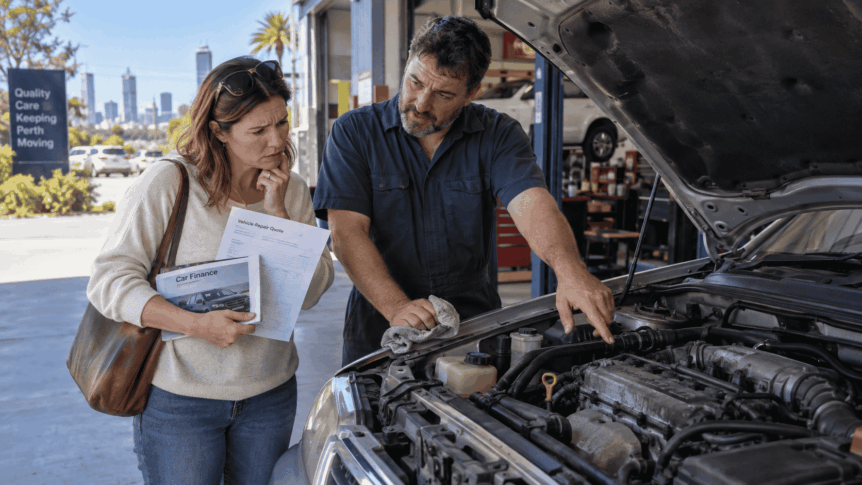
A blown head gasket can turn an ordinary maintenance question into a decision about the whole car. Comparing a blown head gasket repair with new car repayments means looking beyond one workshop quote and one monthly instalment. Put both choices on the same time frame, then include likely follow-up work, the days without a vehicle and what your current car may still be worth. A broken car does not automatically need replacing, and a major repair does not automatically make keeping it the cheaper choice.
What a head gasket repair estimate covers
The head gasket seals the joint between the engine block and cylinder head. When it fails, symptoms can include overheating, coolant loss, contaminated oil or poor compression, but the cause and extent of damage need a mechanic’s diagnosis. Replacing the gasket usually involves substantial disassembly, so ask for a written estimate that explains the labour, parts, machining or inspection allowance, fluids and any cooling-system work included.
Why the first estimate can change
The cylinder head may need machining if it has warped, and overheating can damage other engine components. Some problems only become clear after the head is removed. Ask the workshop to explain what is confirmed, what remains uncertain, how extra work will be approved and what warranty applies to the repair. A low initial estimate is difficult to compare if it excludes likely work or uses a different scope from another quote.
Costs that sit outside the workshop bill
Downtime has a cost even when it does not appear on the invoice. Consider public transport, rideshare trips, borrowing another car or hiring one, plus the time needed to arrange each trip. Ask the workshop how long diagnosis and repair are expected to take, and whether parts availability could extend that period. Also consider whether the car has other upcoming maintenance needs; fixing the gasket will not make worn tyres, brakes or other faults disappear.
Compare repair and replacement over the same period
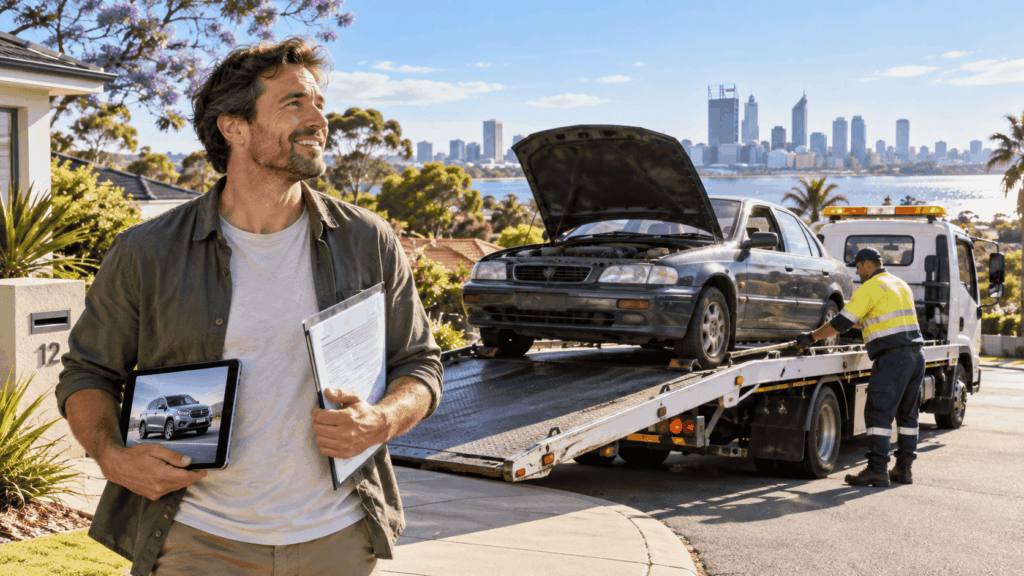
Choose a realistic period for the comparison, such as the next few years, and use the same start and end points for each option. For repair, list the confirmed work, a sensible allowance for uncertain follow-up items, transport during downtime and routine running costs. Then estimate what the car could be worth at the end of that period if it is repaired and maintained.
For replacement, compare the cost of the next vehicle with the amount you would receive for the current car as it sits. Include the deposit, loan fees and interest, insurance, registration, servicing and likely repairs. Keep the accounting consistent: a cash-flow comparison can show instalments and other payments, while a total-cost comparison separates loan principal from interest and accounts for the vehicle’s value at the end. Avoid counting the full loan principal and then subtracting the resale value without checking that both sides use the same method.
A seized engine is a different failure with a different repair scope. The seized-engine repair guide looks at that decision by vehicle make, while this comparison focuses on a head gasket and the alternative of taking on repayments.
How the car’s value changes the decision
Do not rely only on what the car cost when it was new or on a broad estimate for its model. Its age, kilometres, service history, body condition, equipment and local demand all affect its value. A common model such as a Toyota model may have a different parts and resale market from a less common vehicle, but the badge alone cannot tell you what your individual car is worth. Compare like with like: the likely value after repair against a realistic value in its current condition.
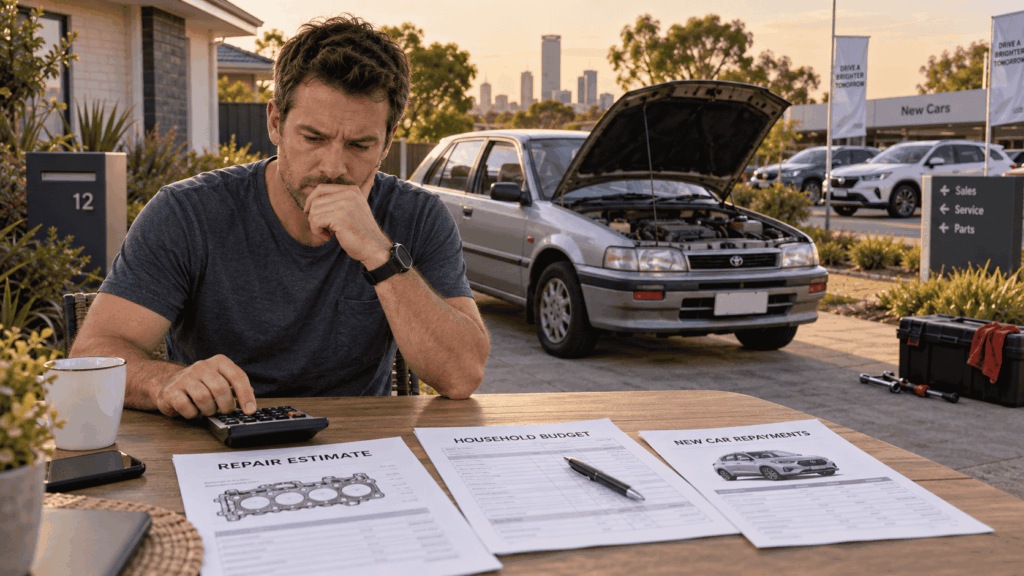
Ask a mechanic for a diagnosis and a written quote, and check comparable vehicles rather than assuming the repair will add its full cost to the sale price. If you are considering a sale, account for the vehicle’s condition honestly and keep any service records or repair estimates available for the buyer.
If you decide to sell in Western Australia
For a WA-licensed vehicle that is sold or otherwise disposed of, the seller must notify the Department of Transport and Major Infrastructure within seven days. Plate handling depends on the plate type and whether it is being sold with the vehicle; sellers who want to retain state or district plates need to remove them and arrange replacement plates before the sale. Check Transport WA’s current seller guidance for the applicable process.
Collection access can affect your options if the vehicle cannot be driven. For a local example, the Ellenbrook location information shows the suburb-level context to consider; your own vehicle’s location and access determine what is practical.
Make the decision from the full picture
Repairing may make sense when the car is otherwise sound, the scope is clear and the total cost fits your budget. Replacing may suit you better when the repair leaves little value in the vehicle, important costs remain uncertain or you would rather direct that money toward another car. Write down both totals, note which estimates are uncertain, and choose the option that works for your finances and transport needs.
If you decide to move on from a car that cannot be driven, the damaged-vehicle information explains what to consider when arranging an assessment.