


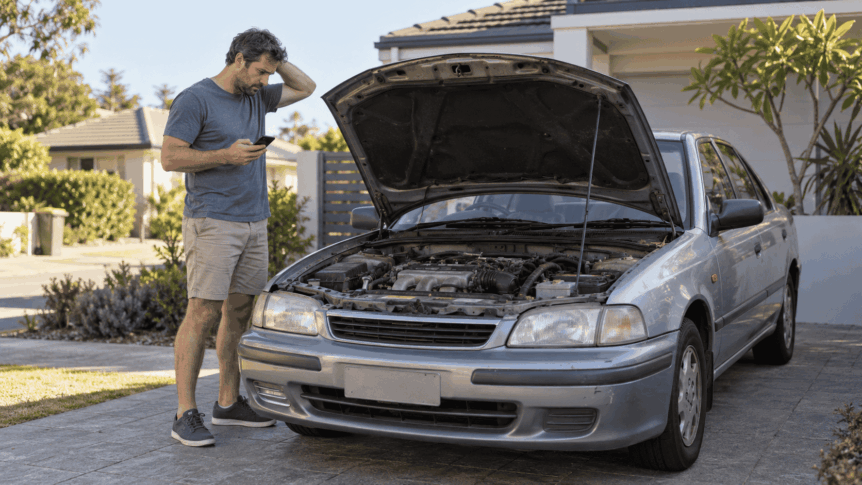
When a car finally gives up — a blown engine, an accident that leaves it unroadworthy, or years of small problems adding up to one big one — most Perth owners’ first thought is what to do with the vehicle itself. Insurance tends to get forgotten until the renewal notice or the next direct debit reminds you it’s still there. If your car isn’t running, isn’t registered, or is about to be sold for parts, it’s worth knowing what actually happens to your comprehensive cover, and what you need to do about it.
Your Policy Doesn’t Cancel Itself
Comprehensive insurance stays active until you contact your insurer and tell them otherwise. It doesn’t matter if the car hasn’t moved in weeks or the engine is sitting in pieces on your driveway — the insurer has no way of knowing the vehicle is off the road unless you tell them. That means premiums keep coming out of your account for cover you’re no longer using.
The moment you know a car isn’t going to be repaired or driven again, it’s worth calling your insurer to discuss your options rather than letting the policy run on autopilot.
Cancelling vs Adjusting Your Cover
What you do next generally depends on your timeline:
- Selling or wrecking the car soon? You can usually set the cancellation to take effect on the day the vehicle actually leaves your possession, rather than backdating it or cancelling too early.
- Not sure how long it will sit before you sell? Some insurers offer a reduced level of cover — such as fire and theft only — for a vehicle that’s off the road but still parked at your property. This can be cheaper than full comprehensive while still protecting against theft of parts or fire damage. Not every insurer offers this, so it’s worth asking directly.
- Refunds: most insurers will refund the unused portion of your premium on a pro-rata basis when you cancel, though administration fees or minimum charges can apply. Check your Product Disclosure Statement or ask your insurer how their cancellation refund works before you commit to a date.

Timing Your Cancellation Around the Sale
A common mistake is cancelling cover too early, before a buyer or wrecker has actually collected the car. If anything happens to the vehicle while it’s still on your property — theft, fire, storm damage — you want to know you’re still covered until it’s gone.
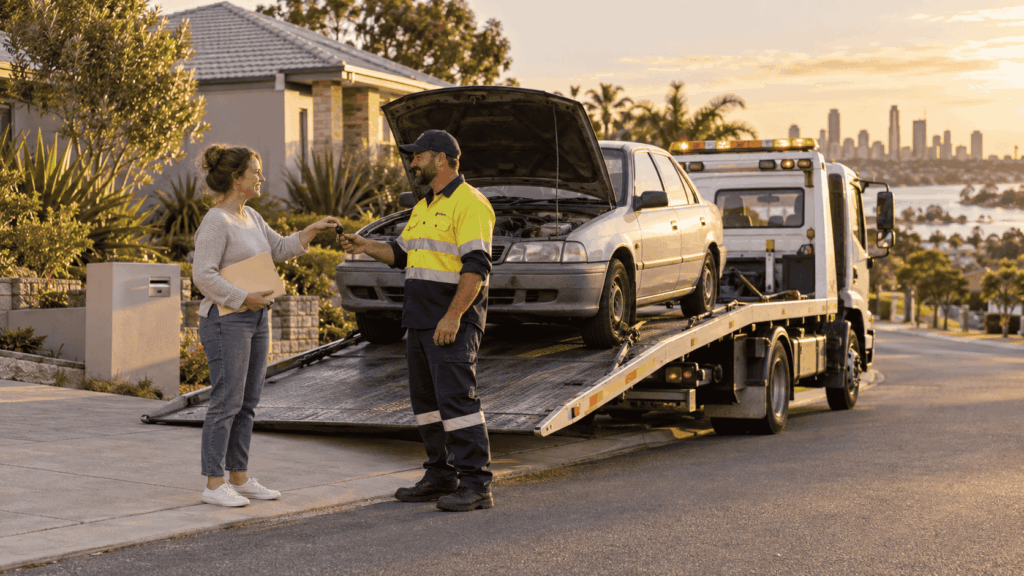
This is easier to manage than it sounds if the removal itself happens quickly. Cash For Cars Perth offers free same-day towing, often within two to three hours if you call before midday, so you can line up your insurance cancellation date with the actual pickup rather than guessing.
What You Still Need to Do in WA After Selling
Number Plates Stay With You
In Western Australia, number plates are attached to the owner, not the vehicle. When you sell or hand over a car, the plates don’t go with it. You’ll need to either transfer them to another vehicle you own or return them to the Department of Transport.
Lodge a Notification of Disposal
Once you’ve sold or handed over the vehicle — including to a wrecker — you’re required to lodge a Notification of Disposal with the WA Department of Transport. This formally records that you’re no longer the responsible party for the car. Skipping this step can leave you exposed to fines, tolls, or other issues linked to the vehicle after it’s no longer yours.
ID Requirements
You’ll need valid photo ID to complete the sale. It doesn’t have to be the person listed as the registered owner, but the seller does need to be able to produce ID as part of the transaction.
What Affects What a Wrecking Yard Will Pay
If you’re getting quotes for a car that’s reached the end of its useful life, a few things typically influence the offer:
- The make, model, and age of the vehicle, and how in-demand its parts are
- Whether it still runs, or is being sold purely for parts and scrap
- The extent and type of damage — mechanical failure, accident damage, or fire and flood damage all affect what can be salvaged
- How complete the vehicle is — an engine, gearbox, and panels in reasonable condition add value even if the car doesn’t drive
- Current demand for scrap metal and used parts, which moves over time.
A car doesn’t need to run, or even look presentable, to have value. Non-running, accident-damaged, flood or fire-damaged, deregistered, and written-off vehicles can all still be worth cash, provided the vehicle has a chassis. Bodies without a chassis, stolen vehicles, and cars still under finance generally can’t be purchased.
Selling an End-of-Life Vehicle in Perth
Cash For Cars Perth buys cars, utes, trucks, vans, and 4WDs of any make or condition across the Perth metro area (the service doesn’t extend to Bunbury or further south). Quotes are given over the phone, and if you accept, the car can typically be picked up the same day — often within two to three hours if you call before midday.
Payment is made in cash or by instant OSKO bank transfer, and it’s handed over before the car leaves your property, not after. The company operates a licensed wrecking yard at 5 Hantke Place, Welshpool, where vehicles are dismantled and recycled properly rather than left to sit.
Ready to Move It On?
If your car has reached the point where repairs no longer make sense, sorting out the insurance and the sale doesn’t need to be complicated. Call Cash For Cars Perth on 0420 262 651 for a free quote, open Monday to Saturday, 7:30 AM to 6:00 PM. Same-day removal is available across the Perth metro area, so you can get the car off your hands and adjust your insurance the same day it’s picked up.