


Most people book a car removal once a vehicle has stopped earning its place — it won’t start, it failed a repair quote, or the rego has lapsed and renewing it makes no sense. The removal itself is easy. Getting a fair figure for the car, and a pickup that doesn’t swallow your afternoon, takes some planning first.
Is removal actually your best option?
Before you book anything, be honest about what the car is. If it still drives safely, has current registration and is a model people actively look for, a private sale or a dealer trade-in will almost always beat what a removal service can pay — a wrecker or recycler is buying parts and metal, not a tidy runabout. A removal service earns its keep once a car is genuinely finished: unregistered and expensive to make roadworthy, written off, or not worth the cost of repairs. If you are still weighing that up, our guide on whether to sell or scrap it works through the numbers.
A tidy, low-kilometre car from a marque with a strong resale reputation — a Lexus, for instance — is usually worth more sold or traded than removed, right up until it stops being roadworthy.

What affects the offer
The figure a removal service quotes comes down to a handful of things:
- Whether it runs and drives. A car that can be driven onto the truck is worth more than one that has to be winched.
- How complete it is. Stripped panels, a missing catalytic converter, a flat or absent battery and mismatched wheels all pull the figure down.
- Make, model and parts demand. Common models with buyers waiting on parts are worth more than an orphaned import nobody stocks parts for.
- Damage and write-off status. Accident-damaged cars are still worth removing, but a statutory write-off can only be used for parts and scrap, which caps the price.
- Weight and location. Heavier cars carry more scrap value, and an easy driveway close to the metro is cheaper to service than a tight verge an hour out of town.
We don’t publish set prices — every car is different. The way to find out what yours is worth is to call with the details, and we’ll confirm the figure before pickup.
Get your paperwork ready
You’ll need proof the car is yours — the registration papers or renewal notice, plus photo identification in the same name. In Western Australia the seller must notify the Department of Transport within seven days of disposing of a vehicle, giving the buyer’s or wrecker’s name and address; failing to do so results in a penalty being applied. Standard WA number plates stay with the vehicle and pass to the new owner. If you have personalised or optional plates you want to keep, you must exchange them at a Department of Transport centre before the car leaves. If the car is already unregistered, hand the plates back and keep your disposal notice as your record.
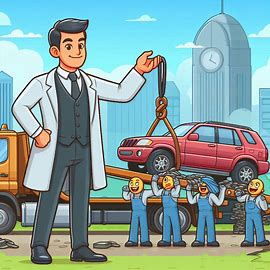
Make the pickup painless
A few minutes of preparation saves most of the hassle on the day:
- Clear a path for the truck. A tilt-tray collecting a non-runner needs room to reverse in and winch — worth checking if you are on a semi-rural block around Belhus or anywhere with a long, narrow driveway.
- Take out every personal item, including the boot and glovebox.
- Have the key, papers and your ID together, ready to hand over.
- Photograph the odometer and the car’s overall condition before it goes.
- Be there for the pickup, or have someone you trust sign on your behalf.
- Take the plates off first if you are keeping them.
Choosing an operator
Once a car is only worth its scrap value, the operator you pick still matters. Look for a licensed motor vehicle dealer or wrecker, genuinely free towing with no “admin” fee taken out on the day, and a written offer they will stand by rather than a number that shrinks when the truck arrives. Payment should happen on collection, not afterwards. A proper yard also depollutes the car — draining fluids, removing the battery and gas struts — before recycling the shell, so little of it reaches landfill.
If your car has reached that point, Cash for Cars Perth offers free removal across the Perth metro — call 0420 262 651 with the details and we’ll give you a figure for it.
Common questions
Will I get more selling privately or using a removal service?
If the car is safe to drive, registered and sought-after, a private sale or trade-in usually nets more, because a removal service is paying for parts and scrap metal rather than a usable car. Once it needs expensive repairs, has been written off, or isn’t worth re-registering, a removal service is generally the better return for the effort involved.
What paperwork do I need to have a car removed in WA?
Proof the car is yours — the registration papers or renewal notice and photo identification in the same name. After the car is collected, notify the Department of Transport within seven days that you have disposed of it, with the buyer’s or wrecker’s name and address, or a penalty applies.
Do the number plates go with the car?
Standard WA plates stay with the vehicle and transfer to the new owner. If you have personalised or optional plates you want to keep, exchange them at a Department of Transport centre before the car is picked up.
Can a car be removed if it doesn’t run or isn’t registered?
Yes. Removal services tow non-runners and unregistered cars routinely; the main thing is safe access for the truck. For an unregistered car you still need to lodge the disposal notice with the Department of Transport.