


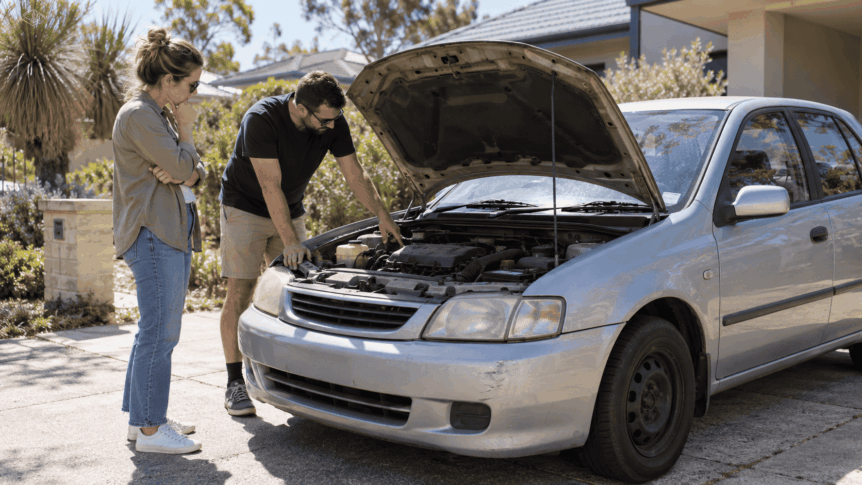
When a car stops being worth keeping – it’s been in an accident, the engine’s gone, or it’s just sat in the driveway for two years – most people default to whatever selling method they know best, usually a private sale. But for damaged, old, or non-running vehicles, that’s not always the option that puts the most money in your pocket, and it’s not always the least hassle either.
Here’s a straight comparison of the three real options a Perth car owner has: selling privately, selling to a licensed wrecker, or taking the car to a scrap metal yard.
Private Sale: Best When the Car Still Runs and Looks Presentable
Private sale usually gets the highest price – but only for cars that are roadworthy, reasonably tidy, and have a clean history. Buyers on marketplace sites are shopping for a car they can drive away and register, not a project.
Once a vehicle has accident damage, a blown engine, or no current registration, the buyer pool shrinks fast. You’re left fielding lowball offers, no-shows, and people who want to negotiate hard once they see the car in person. It can take weeks, and there’s no guarantee the final price ends up better than a wrecker’s cash offer once you account for the time spent.
What private sale involves
- Photos, a listing, and ongoing enquiries to manage
- Arranging viewings and test drives with strangers
- Handling payment risk – bank transfers can bounce, cash can be counterfeit
- Sorting out the transfer of registration paperwork yourself
Wreckers: Best for Damaged, Old, or Non-Running Vehicles
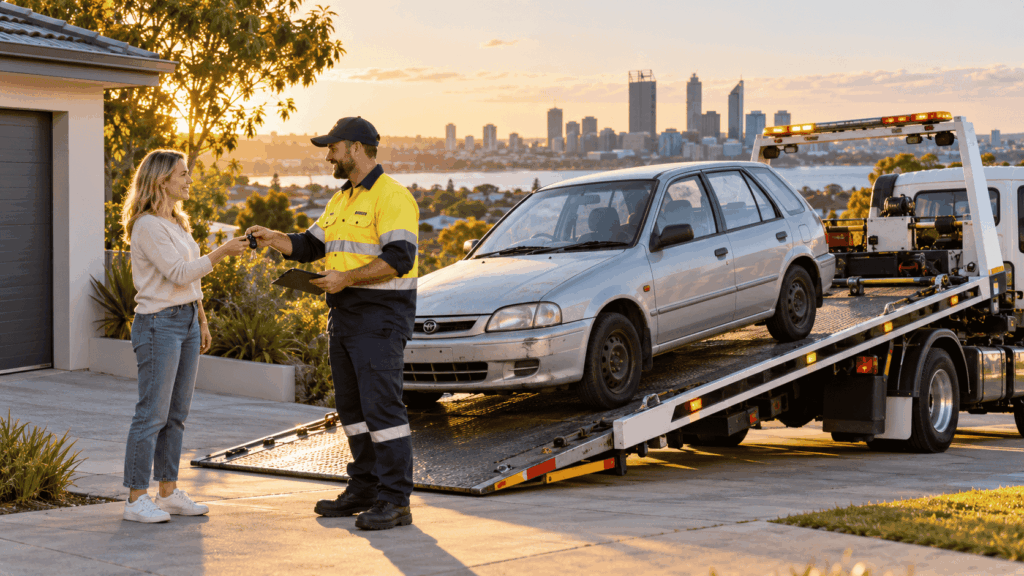
A licensed wrecker like Cash For Cars Perth buys vehicles specifically because they can be dismantled for parts and recycled for metal. That means condition matters far less than it does in a private sale. Running or not, accident-damaged, flood or fire-affected, deregistered, or even written off – all of these are still saleable to a wrecker, because the value isn’t in the car driving away, it’s in what can be stripped and recycled from it.
The trade-off is usually price versus certainty. A wrecker’s offer is unlikely to match what a perfect private sale might fetch for a clean, working car, but it’s a firm number, paid on the spot, with no listing fees, no time wasted, and no risk of a buyer backing out.
What to expect from a wrecker quote
- A quote based on make, model, age, condition, and current scrap and parts demand
- Payment in cash or instant OSKO bank transfer, handed over before the car leaves your property
- Free towing arranged as part of the deal, so there’s nothing extra to pay
Cash For Cars Perth pays up to $9,999 for cars, utes, trucks, vans, and 4WDs across the Perth metro area, in any condition. If you call before midday, same-day towing can often be arranged within two to three hours.
Scrap Yards: Priced on Weight, Not Condition
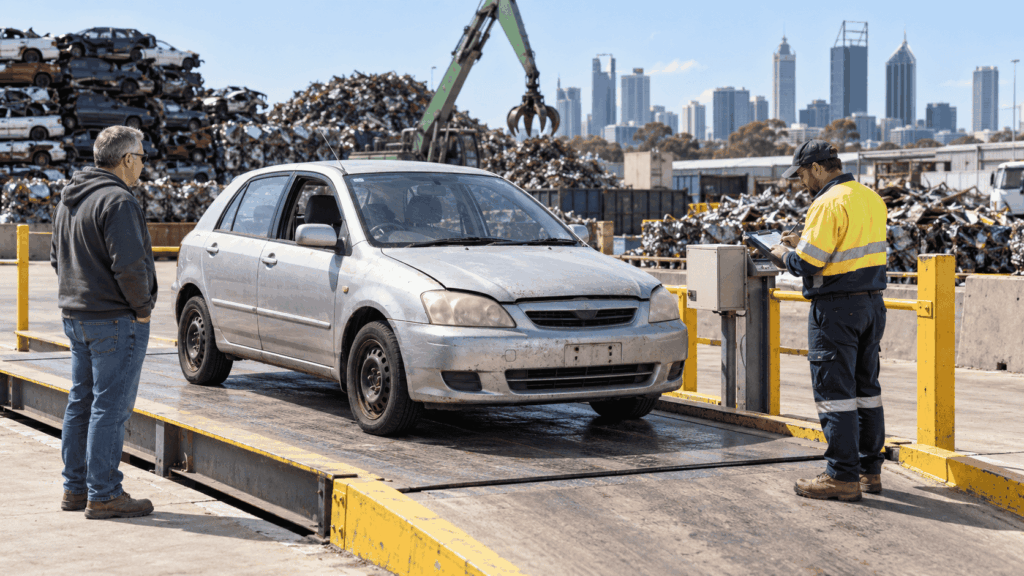
A pure scrap metal yard pays based on the vehicle’s weight in steel, aluminium, and other recoverable metals, please check the current market rate online. There’s generally no allowance for a working engine, a usable gearbox, or parts still in good condition, which is exactly what a wrecker does account for.
For a genuinely worthless shell – a body with no engine, interior, or usable parts – a scrap yard price and a wrecker price might land close together. But for most damaged or non-running cars, a licensed wrecker will typically offer more, because they’re paying for the parts as well as the metal.
What Actually Moves the Number You’re Offered
A few things affect what any buyer – private, wrecker, or scrap yard – will pay:
- Make and model: Popular models with high parts demand are worth more to a wrecker, even badly damaged.
- Completeness: A car missing its engine, gearbox, or catalytic converter is worth noticeably less.
- Weight: Heavier vehicles (utes, vans, 4WDs) generally scrap for more than small hatchbacks.
- Access: A car that needs to be winched out of a backyard or dragged from a paddock may attract a lower offer than one sitting in a driveway.
The WA Paperwork You Still Need to Handle
Whichever route you choose, two Western Australia–specific rules apply once the sale is done:
- Number plates stay with you. They don’t transfer with the car – remove them before the vehicle is picked up.
- Lodge a Notification of Disposal. Sellers are required to notify the WA Department of Transport once a vehicle has been sold or disposed of, so it’s no longer registered in your name.
You’ll also need valid photo ID to complete the sale – it doesn’t have to be in the registered owner’s name, but the seller on the day needs to produce one. Note that vehicles under finance, reported stolen, or bodies without a chassis can’t be purchased.
Which Option Actually Wins?
If your car is clean, roadworthy, and reasonably new, private sale will usually get the best price – if you have the time to manage it. If it’s damaged, old, deregistered, or simply not worth the hassle of listing, a licensed wrecker is generally the better outcome than a scrap yard, since you’re being paid for parts as well as metal, without the weeks of back-and-forth a private sale involves.
Cash For Cars Perth is based at 5 Hantke Place, Welshpool, a licensed wrecking yard open Monday to Saturday, 7:30 AM to 6:00 PM, and services the full Perth metro area (Bunbury and areas further south aren’t covered). For a no-obligation quote or to book free same-day towing, call 0420 262 651.