


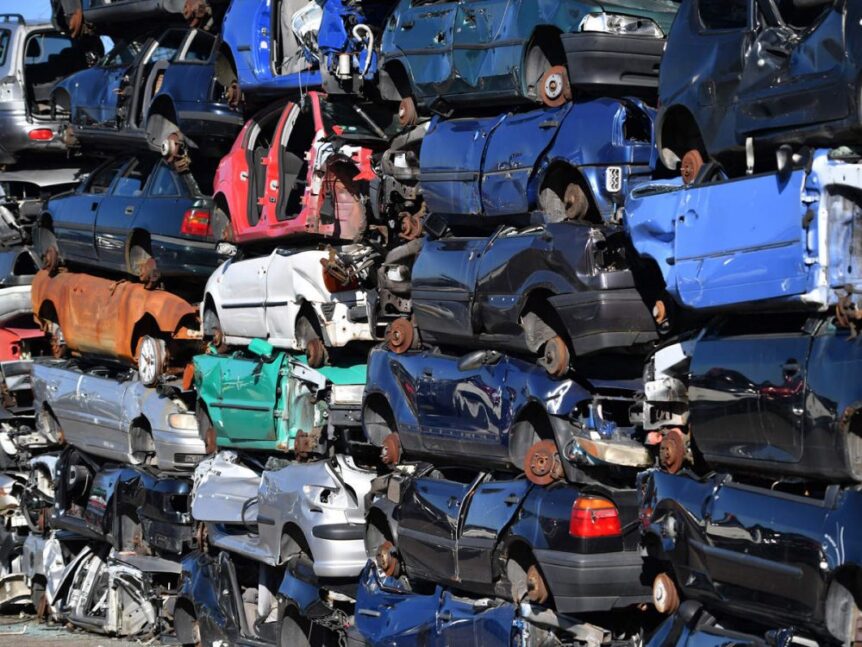
A car that no longer runs, won’t pass a licence inspection, or has sat unused for years still has value in its metal, its working parts and the materials inside it. A licensed wrecker or car removal service will pay you for that and tow the car away at no cost. Here is how the process works in Perth, from the first quote through to the money reaching your account.
Is your car actually scrap, or just old?
It is worth being honest about which one you have, because it changes your best option. Age alone does not make a car scrap — plenty of twenty-year-old cars still run well and sell easily. A genuine junk car is one that has reached the end of the road: the engine or transmission has failed, the body is rusted or crash-damaged beyond sensible repair, or getting it roadworthy would cost more than the car would be worth once fixed.
A rough test helps here. If the repair bill to make the car safe and reliable is more than about half what the car would sell for in good order, spending the money rarely makes sense. If it is close but the car still drives, you usually do better selling it as a running vehicle than sending it for scrap.
Leaving a scrap car sitting also has a slow cost. It leaks oil, coolant and fuel residue into the ground, it fills with water and becomes a mosquito problem over summer, and a car parked on the verge can attract the local council’s attention. Keeping it licensed and insured “just in case” rarely pays off once a car is this far gone.
What a scrap car is worth, and what changes it
No wrecker can give you an accurate figure without knowing the details, so treat any fixed “up to” amount in an advertisement with caution. The starting point is the scrap metal itself: the weight of steel and other metals in the car, priced against a scrap market that moves week to week. On top of that sits the value of parts that can be removed, tested and resold, and here the make and model matter — an older Nissan Pulsar or Navara has parts leaving the shelves constantly, while a rare import might have almost none.
Other things that move the offer up or down:
- Completeness: a car that still has its engine, catalytic converter, battery and wheels is worth more than one that has already been stripped.
- Whether it rolls: a car that can be winched straight onto a truck is cheaper to collect than one that has to be dragged out.
- Access: an easy kerbside or driveway pickup costs less than recovering a car from behind a house or off a soft backyard.
- Drivetrain condition: an engine that still turns over and a gearbox that is not seized are worth more as rebuildable units.
Several of these are within your control, so a little preparation before pickup can lift what you are offered. There is a fuller guide to getting more for a scrap car if you want to work through it properly.
How you actually get paid
“Cash on the spot” is a common line in this trade, but in practice most operators now pay by electronic transfer at the time the car is collected, so the money lands in your account within minutes to a day. Some still hand over physical cash for smaller amounts. Either way, you should be paid when the car is picked up, not days afterwards — be wary of anyone who wants to take the car first and settle later.
Get the quote in writing, by text or email, before the truck arrives. That gives you a reference point if the driver turns up and offers less. A small adjustment can be fair if the car is genuinely in worse shape than you described, but a large drop on collection day, with the truck already in your driveway, is a well-worn pressure tactic. You are always free to say no and send it away.
The paperwork you handle in Western Australia
Selling a car for scrap still counts as disposing of a vehicle, so the licensing paperwork applies. It is brief.
Notify the licensing authority. Within seven days of the car leaving your hands you must tell the Department of Transport and Major Infrastructure that you are no longer the owner, and give the name and address of the new owner — here, the wrecking yard. This is the Notification of Change of Ownership (form MR9): lodge the seller’s copy at a DTMI service centre or regional agent, or post it to Driver and Vehicle Services, GPO Box R1290, Perth WA 6844. The department’s guidance states that “failure to do so will result in a penalty being applied.”
Number plates. Standard WA plates stay with the vehicle. If you have personalised or optional plates you want to keep, remove and exchange them at a DTMI centre before the car is collected, otherwise they leave with it.
If the licence is still current. You can cancel the vehicle licence by surrendering the plates to a DTMI service centre or regional agent, then apply for a pro-rata refund of the licence fees for the unused part of the period. It is worth doing if there are still several months left on it.
What happens on pickup day
Collection across the Perth metro area is normally free, from Greenmount and the eastern foothills through to the coast, though a very remote address or a car needing specialised recovery can be an exception. Ask when you book so there are no surprises on the day.
Once you have accepted a quote and booked a time there is little left to do. Clear a path so the tow truck can reach the car, take off any plates you are keeping, and check the boot, glovebox and under the seats for belongings. The driver handles the loading and gives you a receipt for the vehicle.
If your car has reached that point, Cash For Cars Perth can quote it and arrange scrap car removal anywhere in the metro area — call 0420 262 651 with the make, model, condition and location, and they will price it on the details and confirm before pickup.
Frequently Asked Questions
How much is a scrap car worth in Perth?
It depends on the car’s weight, which parts are worth salvaging, the make and model, and how easily it can be collected. Scrap metal prices also shift from week to week. A fair figure only comes from describing your actual car to a buyer — the make, model, condition and location — and letting them price it.
Can I scrap a car that is unlicensed or won’t drive?
Yes. A scrap car does not need to be licensed or roadworthy for a wrecker to buy and collect it, since it is not going back on the road. A car that will not start or roll may cost a little more to load, which can be reflected in the offer.
Will I be paid in cash or by bank transfer?
Most operators now pay by electronic transfer when they collect the car, and some pay physical cash for smaller amounts. The key point is that payment should happen at pickup, not later.
What paperwork do I need to lodge?
Notify the Department of Transport and Major Infrastructure within seven days that you have disposed of the vehicle, using the Notification of Change of Ownership (MR9) with the wrecking yard’s name and address. If the licence is still current, you can also surrender the plates and claim a pro-rata refund of the remaining licence fees.