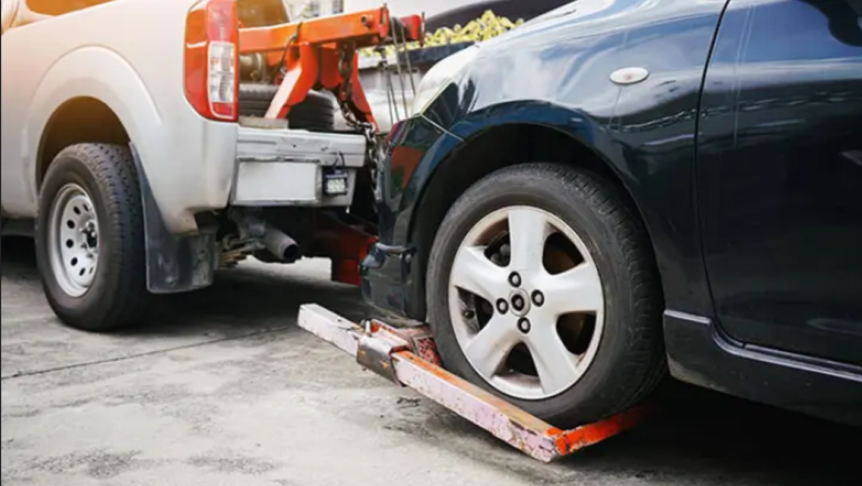


Older car parked in a Perth driveway waiting for a cash for cars service to collect it

How to Choose a Cash for Cars Service in Perth

KobyBlog

Not every car buyer in Perth gives you the same experience, and the one quoting the highest number over the phone is not always the one to go with. If you are weighing up a cash for cars service to move on an old, damaged or unwanted vehicle, this guide covers what to check before you book, the warning signs, and how to match the service to your car.

Car owner handing over keys and registration papers to a car removal buyer in Perth

What “best” really means when you are selling a car

The best service is not simply the one that quotes highest. A phone quote is an estimate; what matters is the amount you are actually paid once the vehicle has been looked at, minus any towing or admin costs, and how little effort it takes to get there. A slightly lower offer that is paid in full on the day and collected without fuss usually beats a big number that shrinks on pickup. Weigh the price against how they pay, whether towing is genuinely free, how quickly they can collect, and whether the person on the phone answers your questions straight.

How to compare services before you commit

Contact two or three operators and give each the same details about the car so the quotes are comparable. Then look past the figure:

  • Get the quote in writing. An email or text you can hold them to beats a number over the phone. Ask what could change it on the day.
  • Check the business is real. Look for an ABN, a physical yard or office, and a landline rather than just a mobile and a first name. Search the name for reviews.
  • Ask what happens to the car. A licensed operator will drain the fluids, remove the battery and gas, on-sell usable parts, and send the shell for metal recycling. Vague answers are a warning sign.
  • Confirm how and when you are paid. A bank transfer on collection is cleaner than cash and leaves you a record.

Car owner comparing written car removal quotes on a laptop before choosing a service

Warning signs worth walking away from

  • The phone quote drops sharply on pickup for reasons that were clear from your original description.
  • Pressure to decide on the spot, or to release the car before payment has cleared.
  • No written quote, no ABN, and no fixed address.
  • A promise to “handle all the paperwork” with no mention of what you need to lodge yourself.
Car being loaded onto a tilt-tray tow truck during a free car removal in Perth

The paperwork you handle yourself in WA

Whoever buys the car, a few things stay with you as the seller:

  • Notify the Department of Transport within seven days of ceasing to be the owner, giving the new owner’s name and address. Failing to do so results in a penalty being applied.
  • Standard WA number plates stay with the vehicle and pass to the new owner. If you have personalised or custom plates you want to keep, exchange them at a Department of Transport centre or regional agent before the car is sold.
  • If the car is a written-off vehicle, say so when you ask for a quote. A statutory write-off is one that can never be made safe or roadworthy again, so a buyer will only want it for parts and scrap metal.
  • Keep a record of the sale, and clear out personal items and any toll tag before pickup.

Match the service to your car

If the car still drives well and presents nicely, a removal service is fast, but a private sale will usually put more in your pocket. It is worth reading up on how to get the best value for a second-hand car before you decide.

If it is old or not worth re-registering, a service that pays on collection and tows for free is the sensible route, and the same goes for a car you simply no longer want taking up the driveway.

A common vehicle such as an older Nissan Pulsar or Navara is quick to quote and collect because the parts are in demand; something rare or a heavy commercial may need a specialist buyer.

Access matters too. If the car sits on a larger block in an outer suburb like Bennett Springs, check the tow truck can reach it and that there is room to winch a non-runner on.

Final thoughts

Choosing well comes down to a written quote, a genuine licensed business, a clear answer on what happens to the car, and payment you can verify. Be wary of anyone advertising a fixed dollar figure sight unseen; every vehicle is different, and the fairest way to learn what yours is worth is to give a few operators the same details and compare what they put in writing. If you would like a written offer to compare, Cash for Cars Perth buys vehicles across the Perth metro area and prices on the specifics of your car, so call 0420 262 651 and we will confirm it before pickup.

Common questions

How do I know a cash for cars service is legitimate?
Look for an ABN, a physical address, a written quote, and reviews from other sellers, plus a straight answer about what happens to the vehicle after it is collected.

Is the highest quote always the best offer?
No. What counts is the amount you are actually paid after the car is inspected, whether towing is free, and whether the operator turns up when they say they will.

Do I need to be there when the car is collected?
Usually yes, so you can hand over the keys, sign the transfer paperwork, and confirm payment before the car leaves.

What do I have to do about the registration?
Notify the Department of Transport within seven days of disposing of the vehicle and include the new owner’s name and address. Standard WA plates stay with the car.


Old bus parked in a Perth yard waiting to be sold and removed for cash

How to Sell an Old or Used Bus in Perth

KobyBlog

Selling an old or used bus is not quite the same as selling a car. A bus is bigger, heavier and harder to move, the pool of buyers is smaller, and the paperwork has a couple of extra steps. This guide walks through how the process actually works in Perth, what tends to affect the price, and what you need to sort out before the bus leaves your property.

Most people selling a bus fall into one of two groups: an operator upgrading a vehicle that still runs and drives, or someone who has ended up with an old bus that no longer earns its keep and just wants the space back. The steps are similar either way, but the value and the likely buyer are very different.

What Makes Selling a Bus Different

Size is the obvious one. A full-size coach or a converted route bus needs a tilt tray or a heavy tow truck, not a standard car carrier, so access to where it is parked matters more than it would for a sedan. If the bus is on a verge, in a tight yard or boxed in by other vehicles, that affects how — and sometimes whether — it can be collected.

The buyer pool is smaller too. A private buyer for a running bus might be a school, a church, a tour operator or someone converting it into a motorhome. Once a bus is too old or too tired for that, the realistic buyer is a yard that dismantles buses and larger vehicles for parts and scrap. Knowing which category your bus is in tells you roughly what to expect.

The Process, Step by Step

  1. Get the bus details together. Make, model, year, approximate kilometres or engine hours, whether it runs, and any damage or missing parts.
  2. Get it assessed. Send the details and some photos and get a price. A quick look at the vehicle in person or on a video call is normal for something this size.
  3. Agree on a price and a time. Confirm the figure and book a collection slot that works for you.
  4. Handover. The operator checks the bus, pays you, and loads it. You sign over the licence paperwork.
  5. Lodge the notification. Submit the change-of-ownership notification to the licensing department within seven days, or confirm the buyer is cancelling the licence if the bus is being dismantled.

What an Old Bus Is Actually Worth

There is no flat rate for a bus. A few things move the number more than anything else:

  • Whether it runs and drives. A bus that starts, moves under its own power and can be driven onto a truck is worth more than one that has to be dragged on.
  • Size and weight. Once a bus is only good for dismantling, much of its value is in recoverable metal, so a bigger vehicle usually means a bigger figure.
  • Make and model. Common models are easier to move on for parts. A Toyota Coaster, for example, is a familiar sight on Perth roads and its parts stay in demand, which helps at the smaller end of the market.
  • Condition of the driveline. Engine, transmission and diff condition matter, especially on models where those parts are worth reselling.
  • Extras. A wheelchair hoist, near-new tyres, a recent set of batteries or a tidy interior can each add a little.

On price itself, every bus is different enough that a figure only means something once someone has the make, model, age, condition and location in front of them. Anyone quoting a number sight unseen is guessing.

If the bus still runs well and has a real second life ahead of it, it is worth spending some time on presentation and shopping the price around — the same habits that go into getting the best value for any second-hand vehicle apply here. If it is genuinely at the end of the road, the sensible goal is a fair scrap-based price and a clean, free removal.

The Paperwork You Need in WA

The admin side is straightforward, but skipping it can cost you.

Notify the licensing department. When you stop being the owner of a licensed vehicle in WA, you have to tell the Department of Transport and Major Infrastructure within seven days and give the new owner’s name and address. This is done with the seller’s copy of the Notification of Change of Ownership – Vehicle Licence Transfer (form MR9), or online through DoTDirect. Failing to lodge it can result in a penalty, and it can also mean fines or charges on the bus keep coming to you.

Number plates. Standard WA plates stay with the bus and pass to the new owner as part of the transfer — you do not remove them. Only personalised or optional plates come off, and if you want to keep those you need to exchange them at a licensing centre before the sale.

If the bus is going to a wrecker. When a vehicle is sold for dismantling rather than continued use, the licence is cancelled rather than transferred. The plates are handed back, and you can apply for a refund of the licence fees for the time still left on the registration.

Roadworthy inspection. You do not need a roadworthy or safety certificate to sell a bus that is already licensed in WA. An inspection is only required in specific cases, such as bringing a vehicle in from interstate or re-licensing one that has been off the road for more than three months.

How Removal and Pickup Works

Once the price is agreed, collection is arranged for a time that suits you. A licensed operator brings the right truck for the size of the vehicle, checks the bus matches what was described, and pays you before it is loaded. Removal should not cost you anything — if a buyer wants to subtract a towing fee for a heavy vehicle, factor that into which offer is actually the best one.

Access is the main thing to sort out in advance. Clear space around the bus, make sure the tyres will hold air or let the operator know they will not, and have someone over 18 on site with the paperwork and ID. Distance is not usually a problem — buses get collected right across the metro area, from Armadale and the outer suburbs through to the coast — but a longer run or awkward access can affect timing.

FAQs: Selling a Bus in Perth

How much is my old bus worth?
It depends on whether it runs, its size, the make and model, the condition of the engine and transmission, and whether the buyer sees a resale or a dismantling job. The only way to get a real figure is to have someone assess those details — a number given without seeing the bus is not worth much.

Do I need to repair the bus before selling it?
No. Buses are commonly bought as-is, running or not. Spending money on repairs rarely pays for itself unless the bus is close to roadworthy and you are selling it for continued use.

How long does the process take?
Getting a quote and agreeing on a price can happen the same day. Collection depends on scheduling a suitable truck and on access at your end, so it is usually arranged for the next day or two rather than straight away.

What documents do I need?
Proof that you own the bus, such as the vehicle licence papers, plus photo ID. You then lodge the change-of-ownership notification with the licensing department, or the buyer’s paperwork shows the licence being cancelled if the bus is going for dismantling.

Are there any costs to me?
A genuine cash-for-cars buyer does not charge for quoting or for removal. The figure you agree on is what you should be paid on pickup. Watch for offers that quietly deduct a towing or admin fee at the end.

If you want to weigh up what your bus might bring or line up a collection, the bus removal page sets out how it works and how to get in touch. Every vehicle is different, so the fairest way to find out what yours is worth is to talk it through with someone who can price it on the specifics.

Second-hand car washed and photographed ready for private sale in Perth

11 Tips to Increase Your Second-Hand Car’s Value Before Selling in Perth

KobyBlog

Getting a second-hand car ready to sell in Perth doesn’t cost much, but it does take a bit of planning. Buyers here have plenty to choose from, so anything that lifts your car’s value — and gives them fewer reasons to haggle — tends to come back to you in the sale price. The tips below are the ones that genuinely move the needle, and none of them need a workshop or a big budget. They’re written for a car worth advertising privately; if yours is already more trouble than it’s worth, selling it as-is may beat spending another dollar on it.

Sort the mechanical basics first

1. Keep the service history up to date

A complete logbook is worth real money at sale time, because the buyer isn’t left guessing about what’s been done. If a scheduled service is due, book it in before you advertise and keep the invoice with the book. Lost the logbook? A printout of past invoices from your regular mechanic covers most of the same ground and still reassures a careful buyer.

2. Fix the faults a buyer will spot

Walk around the car as if you were the one buying it. A dashboard warning light, a smearing wiper, a blowing exhaust or a chipped windscreen all get used as bargaining chips, and most cost far less to repair than a buyer will demand off the price for them. Deal with the cheap, obvious ones first — they do the most damage to a first impression.

3. Check the tyres, brakes and other consumables

Tyres are one of the first things a switched-on buyer checks. A set near the wear bars invites a big discount, while decent, evenly worn tyres suggest the car has been looked after. The same goes for brake pads that squeal, a battery on its last legs or an air-conditioner that isn’t cold. These are low-cost items with an outsized effect on how the car feels on a test drive.

Make it presentable

4. Give it a proper clean, inside and out

Presentation is where the least money buys the most value. Wash and polish the exterior, clean the wheels, vacuum the carpets and mats, wipe down every surface and clear out the clutter. A professional detail costs a fair bit less than the difference it can make to an offer, especially on a car with pet hair, smoke odour or built-up grime.

5. Take care of minor cosmetic damage

Small scratches, kerbed alloys, a dinged door edge or hazy headlight lenses are quick, inexpensive jobs that make a car look cared for. You don’t need a full respray. On common models — a Hyundai i30, a Corolla, a Mazda3 — even used panels and light lenses are cheap and easy to find at a Perth wrecker if something needs replacing outright.

6. Tidy up a tired interior

Worn seats, cracked dash trim or a missing boot cover drag a car down more than sellers expect. Fresh floor mats, seat covers that actually fit, and a proper clean of the upholstery go a long way. Replacing a broken vent or a torn seat base is usually a cheap part and an hour’s work.

Price it right and get your paperwork ready

7. Work out what the car is actually worth

Before you settle on a number, take the time to work out what your car is really worth from recent sales of the same model, year and condition — not the hopeful asking prices still sitting on listing sites. Pricing a little under the crowd usually sells the car faster, and often nets more than a high price that drifts for two months.

8. Gather every record you have

Beyond the logbook, dig out receipts for tyres, batteries, a timing belt or any major work, plus the owner’s manual, both keys and the spare-wheel tools. Handing a buyer a folder rather than a promise removes doubt, and doubt is what drives lowball offers.

9. Sort the WA paperwork before the sale

In WA you don’t need a roadworthiness inspection to sell a car that’s currently licensed — inspections only apply when a vehicle is first licensed here, when its licence has lapsed by more than three months, or when it’s arriving from interstate. Once the car sells, both you and the buyer must notify the Department of Transport and Major Infrastructure within seven days using the Notification of Change of Ownership (MR9) form, and you’ll need the buyer’s name and address. Standard WA plates stay with the car.
Write a listing that sells

10. Take proper photos

Photos decide whether anyone clicks. Wash the car first, park it somewhere clean and open in soft light — early morning or late afternoon — and take fifteen to twenty shots: every panel, the wheels, the engine bay, the boot, the odometer, the seats and any damage. Honest photos of the flaws attract serious buyers and filter out the time-wasters.

11. Write an honest, detailed ad — and meet buyers safely

List the service history, recent work, known faults and the reason you’re selling. A specific, straight ad builds trust and cuts down on haggling. When it’s time for inspections, meet buyers somewhere public — a shopping-centre car park in Gosnells or Cannington rather than your driveway — bring someone with you, and photograph the buyer’s licence before any test drive.

Work through the list in order — mechanical, presentation, paperwork, listing — and you’ll usually recover far more than the few hundred dollars and the weekend it costs. And if you’d rather skip the ads, the inspections and the tyre-kickers altogether, we buy second-hand cars right across Perth, sort the paperwork and collect the car for free.

FAQs

Is it worth fixing a car before selling it?

Usually yes, for small visible faults. A chipped windscreen, worn wipers or a warning light cost far less to fix than a buyer will knock off for them. Big-ticket repairs on an older car are different: if the bill is close to the car’s value, it’s often smarter to price the car accordingly and be upfront, or to sell it as-is.

Do I need a roadworthy certificate to sell a car in WA?

Not for a car that’s currently licensed. WA only requires an inspection when a vehicle is first licensed in the state, when its licence has been expired for more than three months, or when it’s being brought in from interstate.

How much value does detailing add?

It varies from car to car, but presentation is consistently the cheapest way to lift an offer. A clean, odour-free car with tidy paint photographs better, draws more enquiries and gives buyers less to bargain with. There’s no fixed figure — the gain depends on how rough the car looked to begin with.

What paperwork do I need to sell privately in WA?

The logbook or service invoices, both keys, the owner’s manual, and receipts for any major work. After the sale, you and the buyer each lodge the Notification of Change of Ownership (MR9) with the Department of Transport and Major Infrastructure within seven days. Standard number plates stay with the vehicle.

Scrap car loaded onto a tilt-tray tow truck for recycling in Perth

Scrapping a Car in Perth: How It Works and What You Get

KobyBlog

A car that no longer runs, won’t pass a licence inspection, or has sat unused for years still has value in its metal, its working parts and the materials inside it. A licensed wrecker or car removal service will pay you for that and tow the car away at no cost. Here is how the process works in Perth, from the first quote through to the money reaching your account.

Is your car actually scrap, or just old?

It is worth being honest about which one you have, because it changes your best option. Age alone does not make a car scrap — plenty of twenty-year-old cars still run well and sell easily. A genuine junk car is one that has reached the end of the road: the engine or transmission has failed, the body is rusted or crash-damaged beyond sensible repair, or getting it roadworthy would cost more than the car would be worth once fixed.

A rough test helps here. If the repair bill to make the car safe and reliable is more than about half what the car would sell for in good order, spending the money rarely makes sense. If it is close but the car still drives, you usually do better selling it as a running vehicle than sending it for scrap.

Leaving a scrap car sitting also has a slow cost. It leaks oil, coolant and fuel residue into the ground, it fills with water and becomes a mosquito problem over summer, and a car parked on the verge can attract the local council’s attention. Keeping it licensed and insured “just in case” rarely pays off once a car is this far gone.

What a scrap car is worth, and what changes it

No wrecker can give you an accurate figure without knowing the details, so treat any fixed “up to” amount in an advertisement with caution. The starting point is the scrap metal itself: the weight of steel and other metals in the car, priced against a scrap market that moves week to week. On top of that sits the value of parts that can be removed, tested and resold, and here the make and model matter — an older Nissan Pulsar or Navara has parts leaving the shelves constantly, while a rare import might have almost none.

Other things that move the offer up or down:

  • Completeness: a car that still has its engine, catalytic converter, battery and wheels is worth more than one that has already been stripped.
  • Whether it rolls: a car that can be winched straight onto a truck is cheaper to collect than one that has to be dragged out.
  • Access: an easy kerbside or driveway pickup costs less than recovering a car from behind a house or off a soft backyard.
  • Drivetrain condition: an engine that still turns over and a gearbox that is not seized are worth more as rebuildable units.

Several of these are within your control, so a little preparation before pickup can lift what you are offered. There is a fuller guide to getting more for a scrap car if you want to work through it properly.

How you actually get paid

“Cash on the spot” is a common line in this trade, but in practice most operators now pay by electronic transfer at the time the car is collected, so the money lands in your account within minutes to a day. Some still hand over physical cash for smaller amounts. Either way, you should be paid when the car is picked up, not days afterwards — be wary of anyone who wants to take the car first and settle later.

Get the quote in writing, by text or email, before the truck arrives. That gives you a reference point if the driver turns up and offers less. A small adjustment can be fair if the car is genuinely in worse shape than you described, but a large drop on collection day, with the truck already in your driveway, is a well-worn pressure tactic. You are always free to say no and send it away.

The paperwork you handle in Western Australia

Selling a car for scrap still counts as disposing of a vehicle, so the licensing paperwork applies. It is brief.

Notify the licensing authority. Within seven days of the car leaving your hands you must tell the Department of Transport and Major Infrastructure that you are no longer the owner, and give the name and address of the new owner — here, the wrecking yard. This is the Notification of Change of Ownership (form MR9): lodge the seller’s copy at a DTMI service centre or regional agent, or post it to Driver and Vehicle Services, GPO Box R1290, Perth WA 6844. The department’s guidance states that “failure to do so will result in a penalty being applied.”

Number plates. Standard WA plates stay with the vehicle. If you have personalised or optional plates you want to keep, remove and exchange them at a DTMI centre before the car is collected, otherwise they leave with it.

If the licence is still current. You can cancel the vehicle licence by surrendering the plates to a DTMI service centre or regional agent, then apply for a pro-rata refund of the licence fees for the unused part of the period. It is worth doing if there are still several months left on it.

What happens on pickup day

Collection across the Perth metro area is normally free, from Greenmount and the eastern foothills through to the coast, though a very remote address or a car needing specialised recovery can be an exception. Ask when you book so there are no surprises on the day.

Once you have accepted a quote and booked a time there is little left to do. Clear a path so the tow truck can reach the car, take off any plates you are keeping, and check the boot, glovebox and under the seats for belongings. The driver handles the loading and gives you a receipt for the vehicle.

If your car has reached that point, Cash For Cars Perth can quote it and arrange scrap car removal anywhere in the metro area — call 0420 262 651 with the make, model, condition and location, and they will price it on the details and confirm before pickup.

Frequently Asked Questions

How much is a scrap car worth in Perth?
It depends on the car’s weight, which parts are worth salvaging, the make and model, and how easily it can be collected. Scrap metal prices also shift from week to week. A fair figure only comes from describing your actual car to a buyer — the make, model, condition and location — and letting them price it.

Can I scrap a car that is unlicensed or won’t drive?
Yes. A scrap car does not need to be licensed or roadworthy for a wrecker to buy and collect it, since it is not going back on the road. A car that will not start or roll may cost a little more to load, which can be reflected in the offer.

Will I be paid in cash or by bank transfer?
Most operators now pay by electronic transfer when they collect the car, and some pay physical cash for smaller amounts. The key point is that payment should happen at pickup, not later.

What paperwork do I need to lodge?
Notify the Department of Transport and Major Infrastructure within seven days that you have disposed of the vehicle, using the Notification of Change of Ownership (MR9) with the wrecking yard’s name and address. If the licence is still current, you can also surrender the plates and claim a pro-rata refund of the remaining licence fees.

Accident-damaged car in a Perth driveway waiting to be sold and towed away

What to Do With an Accident-Damaged Car in Perth

KobyBlog

A crash leaves you with decisions to make quickly, and the car is one of them. Depending on how bad the damage is and whether you were insured, you might repair it, hand it to the insurer as a total loss, or sell it in the state it’s in. None of those is automatically the right call.

This guide walks through the realistic options for an accident-damaged car in Perth – repairing it, letting the insurer take it, or selling it with the damage unrepaired – along with how the damage changes what the car is worth, how a sale and removal work, and the paperwork you lodge with the licensing authority.

Your options after an accident

Once the car is off the road, there are four main paths:

  • Repair it – through your insurer if you’re covered and the repair stacks up, or privately if the damage is light and you have the quotes to back it.
  • Take the total-loss payout – if the insurer writes it off, they usually keep the wreck and pay you its agreed or market value, though you can sometimes buy the salvage back.
  • Sell it repaired – fix it first, then sell to a private buyer. This only makes sense when repair costs are low against the car’s value.
  • Sell it as-is – pass it to a licensed wrecker or a buyer who takes damaged cars, with the damage unrepaired. No panel work, no roadworthy inspection, and it can be a non-runner.

If you’re not insured, or the excess and the hit to your premium outweigh a modest claim, selling the car unrepaired is often the cleanest way to draw a line under it.

Is it worth repairing?

A rough industry guideline is that once repair costs pass roughly 50 to 70 per cent of what the car is worth, repairing stops making financial sense. Structural damage, deployed airbags and anything involving driver-assist sensors that need recalibration push the bill up faster than a dented panel suggests.

There’s also resale to think about: a car with a recorded repair history or a write-off notation is worth less to the next buyer even after a tidy repair. Before you commit either way, take the time to work out what the car is actually worth so the repair quote has something to be measured against.

What an accident-damaged car is worth

No two damaged cars are priced the same. What moves the number:

  • the extent and type of damage, and whether the car still drives
  • the make and model, and how much demand there is for its parts
  • age, kilometres and how complete the car is
  • whether it’s a repairable write-off or a statutory write-off
  • where it is, and how easily a tow truck can reach it

Parts demand matters more than people expect. A common Australian family car has wreckers competing for its panels and mechanicals; a late-model BMW or other European car is often written off at a lower damage threshold because its parts cost so much to replace, and that shapes what a wrecker will pay for it too.

Every car is different, so the fairest way to find out what yours is worth is to give a buyer the details and a few photos, let them price it, and have that figure confirmed before pickup rather than over the phone.

The paperwork you handle in WA

Selling a damaged car doesn’t change your obligations as the seller. You must notify the Department of Transport and Major Infrastructure within seven days of ceasing to own the vehicle, using the Notification of Change of Ownership – Vehicle Licence Transfer (Form MR9), and give the buyer’s name and address. The department’s wording is that “failure to do so will result in a penalty being applied”; it doesn’t publish a set amount.

Standard state and district number plates stay with the vehicle and transfer to the new owner. If you want to keep your plates, remove them before the sale and arrange replacements through the department. Personalised plates are handled separately, so contact a service centre before you sell.

If the car is going to a wrecker or has been written off, the licence is cancelled rather than transferred. Surrender the plates to a service centre or post them back with a note, then apply for a pro-rata refund of the licence fees for the unused part of the period (Form C2). Where the car was written off, that refund can be backdated to the date of the accident if you supply the date.

How selling and removal works

Selling to a wrecker or a damaged-car buyer follows the same few steps whether the car drives or not:

  1. Send the details and photos and get a quote.
  2. Accept the quote and book a removal time.
  3. The truck arrives, the car is loaded, and payment is made on pickup – normally by bank transfer rather than cash in hand, whatever “cash for cars” suggests.

For a non-runner, mention where the car is sitting and how much room the truck has: a tilt-tray needs clear access to winch a car that won’t roll or steer. Most buyers cover the Perth metro area for free removal, so a car in a suburb like Ascot, close to the workshops around Welshpool, is straightforward to collect, while outer-fringe pickups can take longer to schedule.

Be wary of any offer that is high on the phone and then drops once the truck is in your driveway. A written quote you have confirmed is worth more than a big number quoted sight unseen.

If you decide selling the car as-is is the simplest way forward, the accident-damaged cars page runs through how a quote and free removal work, or you can call Cash for Cars Perth on 0420 262 651 for a no-obligation figure.

Frequently asked questions

Should I claim on insurance or sell the car myself?
If you have comprehensive cover and the repair sits well within the car’s value, a claim is usually the better outcome. If you’re not insured, the damage exceeds the car’s worth, or the excess plus the hit to your premium eats most of a small claim, selling the car as-is is often more sensible. Get the insurer’s position in writing before you decide.

Can I sell a car that isn’t driveable after an accident?
Yes. Licensed wreckers and damaged-car buyers take non-runners as a matter of course and bring a tow truck. You need to describe the damage accurately and make sure the truck can reach the car.

Do I need a roadworthy certificate to sell a damaged car in WA?
No. There is no safety or roadworthy inspection required to transfer a vehicle that is already licensed in WA. Inspections apply to cases like first licensing, interstate vehicles and relicensing a repairable write-off, not an ordinary private sale.

Will I be paid in cash?
Usually not literally. Most buyers pay by electronic transfer at pickup so there is a record for both sides. Confirm how and when you will be paid when you accept the quote.

What happens to my registration if the car is written off?
The licence is cancelled rather than transferred. Once the plates are returned you can claim a pro-rata refund of the licence fees for the unused period, and if the car was written off that refund can be backdated to the accident date.

Coins, a calculator and a toy car representing how a used car is valued before sale

Selling Your Car to a Car Removal Service in Perth: What to Expect

KobyBlog

Selling a car privately can drag on for weeks: listing fees, tyre-kickers, no-shows and haggling over a few hundred dollars. A car removal service works differently. You get a quote, book a time, and the car is collected from your driveway, usually within a day or two. This guide covers how these services operate in Perth, what they will and won’t take, how to get ready, and how to tell a solid operator from one that will waste your afternoon.

What a car removal service actually does

A removal service buys vehicles straight from the owner and runs its own towing, so your car never has to be driven or trailered anywhere. Most will take almost anything with a body and a chassis number: a tidy used car that still drives and could be resold, a half-finished project, a ute with a dead motor, or a sedan that has sat on flat tyres for years. Once collected, the car is either broken down for usable parts, passed on, or sent for scrap-metal recycling, depending on what condition it is in. Because one operator handles the quote, the tow and the dismantling, they can usually commit to a figure before pickup instead of revising it in your driveway.

Working out what your car is worth

Before you accept any offer, get a rough idea of the car’s value yourself. For a vehicle that still runs, Redbook and current Carsales listings for the same make, model, year and condition give a fair ballpark. For one that doesn’t run, the value sits closer to what it is worth as parts and scrap metal, which moves with the metals market and with demand for that model’s components.

It helps to read a proper rundown of the selling process so you know which details actually shift the number: age, kilometres, service history, body and interior condition, whether it drives, and how easily a tow truck can reach it. Every car is different, so the most reliable way to find out what yours is worth is to hand an operator the details and let them price it, rather than working off an advertised headline figure.

What happens to the car after it is collected

Where your car ends up affects what you are offered. A late-model car with light damage is usually resold or stripped of its high-value panels and mechanical parts. An older, high-kilometre car is more likely to be dismantled for the components that are still in demand, and for a common model like an ageing Holden or Falcon that demand stays strong, because half the yards in Perth still get asked for those parts. Whatever is left is flattened and sent for metal recycling. A good operator will tell you which of these is likely, which is a fair sign they know the trade.

Getting ready: paperwork and plates

You don’t need much, but have it ready before pickup: proof that you own the car (the current vehicle licence papers, or photo ID matching the registered owner), a service history if you have one, and an honest list of faults, because surprises found on the day are what lead to a revised offer.

After the sale, WA law requires you to notify the Department of Transport and Major Infrastructure within seven days of ceasing to be the owner, using the Notification of Change of Ownership – Vehicle Licence Transfer (Form MR9). You will need the buyer’s name and address, and “failure to do so will result in a penalty being applied”. Standard state or district number plates stay with the vehicle and pass to the new owner; to keep your plates you must remove them before the sale and arrange replacements through DTMI. Personalised plates also transfer to the buyer unless you take them off first.

The process, step by step

  1. Get a quote. Give the make, model, year, condition and location by phone or online. A firm operator will quote from that, not just hand you a range.
  2. Book a pickup. Choose a time that suits you. Metro collection is generally same-day or next-day.
  3. Hand over the car and paperwork. The driver checks the car matches the description, you sign the transfer, and payment is arranged before the car is loaded.
  4. Lodge your notification. Submit the MR9 within seven days of the sale.

Choosing a removal service you can trust

A few things separate a reliable operator from one to avoid:

  • Reviews that mention the price holding. The usual complaint about poor operators is a quote that drops sharply once the truck arrives.
  • A door-to-door price with no tow fee deducted. Free removal should mean free, whether you are in East Perth or High Wycombe.
  • Clear payment terms. Get in writing how and when you will be paid.
  • A licensed yard. Ask where the car goes; a legitimate motor vehicle dismantler is licensed and will say so.

A note on payment

“Cash on the spot” is a marketing line more than a description. Most operators now pay by electronic transfer at pickup, which is safer for everyone and leaves you a record. What matters is that the payment is confirmed and received before the car leaves your property, not the form it takes.

If your car has become more trouble than it is worth, Cash for Cars Perth buys unwanted vehicles in any condition across the Perth metro. Send through the details or call 0420 262 651 for a quote and a free pickup time.

Frequently Asked Questions

Do I need to be home when the car is picked up?

Someone authorised to hand over the car and sign the transfer needs to be there, along with the licence papers or proof of ownership. It does not have to be the registered owner if you have arranged it in advance.

Can I sell a car that isn’t running or isn’t licensed?

Yes. Removal services tow non-runners as a matter of course, and a car does not need current registration to be sold for parts or scrap. Unregistered or interstate sales are handled slightly differently: you return the plates and sell the car as unlicensed.

How will I be paid?

Usually by electronic bank transfer at the time of pickup. Confirm the amount and method when you book, and make sure the payment is confirmed or cleared before the car is loaded.

What do I have to tell the Department of Transport after selling?

Lodge a Notification of Change of Ownership (Form MR9) within seven days of the sale, with the buyer’s name and address. If you don’t, a penalty applies. Standard number plates stay with the vehicle.

Toy car beside a rising stack of coins, representing what a car is worth when you sell it in Perth

How to Get a Fair Price When You Sell a Car in Perth

KobyBlog

Most people selling a car want two things that pull against each other: a fair price, and not much hassle. Chase the top figure and you are in for weeks of advertising and test drives. Take the quick option and you usually leave a bit of money on the table. Working out where that trade-off sits for your car makes the rest of the decision straightforward.

Here is a plain rundown of the realistic ways to sell a car in Perth, what each one tends to pay, and why the offer a buyer or a removal service quotes is the number it is. It applies whether you have a tidy runabout worth advertising or an older car that is getting tired and probably is not.

The main ways to sell a car in Perth

Private sale. For a clean, well-kept car that drives well, this almost always brings the best price. It also asks the most of you: photos and an advert, fielding calls and messages, booking in test drives, dealing with no-shows and cheeky offers, and being careful about payment and handover. Allow a few weeks, and longer for anything unusual.

Dealer trade-in. Quick and low-effort, and convenient if you are buying your next car from the same yard. The trade figure is usually the lowest of the three, because the dealer still has to recondition the car and resell it at a margin. The upside is that it happens on the spot and the paperwork is handled for you.

Car removal and auto wreckers. The fastest route, and the only one that works for a car that will not start, has been in a prang, or is not worth repairing. The offer is based on what the car is worth wholesale — for parts, or for scrap metal — rather than its retail value, so it sits below what a private buyer might pay for the same car in good order. In return you get a firm quote over the phone, free pickup, and nothing left hanging.

A rough guide: the tidier and more sought-after the car, the more a private sale is worth the effort. The older, less roadworthy or less popular it is, the more a removal service makes sense — and the gap between a private price and a wrecker’s offer shrinks until it is barely worth chasing.

What sets the offer you are quoted

Whether you are dealing with a private buyer or a removal service, the same handful of things drive the number: the vehicle type and body style, its age and odometer reading, whether it starts and drives, engine and transmission condition, any body damage, and how complete it is — all the major parts present, nothing stripped, the catalytic converter still fitted.

Make and model come into it mainly through parts demand. A car from a common make like Ford has a steady stream of buyers after used parts, which props up what a wrecker can pay. A rare import can be worth less than you would expect, simply because its parts move slowly.

Vehicle type pulls the same way. Utes, 4WDs and vans that are in demand tend to hold value better than an ordinary sedan of the same age, whichever way you sell. A car that still drives also keeps all your options open; once it does not, a removal service is usually the only realistic buyer.

There is no accurate figure without those details. Every car is different, so the fairest way to find out what yours is worth is to give an operator the specifics and let them price it, then have that confirmed before pickup rather than quoted as a vague range up front.

Small things that make a difference

Before you decide how to sell, it is worth being honest about whether the car is really a sale or a scrap job. Weighing up whether to sell it or scrap it at the start saves you chasing a price that is not there. Once that is settled, a few no-cost steps genuinely help, whichever route you take:

  • Dig out the service history, logbook and receipts — evidence the car has been looked after is worth real money in a private sale.
  • Find the spare key, the owner’s manual and the spare wheel or space-saver.
  • Clear personal belongings, paired phones and toll tags out of the car.
  • Have the registration papers or the plate number handy so a buyer or operator can check the details.

What is usually not worth it is spending money to lift the price. A full detail or fresh repairs rarely come back to you on a car headed for a wrecker, and even for a private sale the return is smaller than most people expect.

Be wary of an offer made sight unseen that is well above everyone else’s. A quote like that often drops on arrival once the car is inspected, and by then you may have turned away the honest offers.

Booking a removal and the WA paperwork

If a removal service is the right fit, the process is short. You give the car’s details and location, get a quote, and book a pickup — often same day across the metro area. A car in an easy-access spot in a suburb like Cannington is simpler and cheaper to collect than one an hour out of town, which is part of why quotes vary by location. The car does not need to be running or licensed for a parts or scrap sale.

Once the car changes hands, WA has a couple of steps for the seller. You must notify the Department of Transport and Major Infrastructure within 7 days of ceasing to own the vehicle, by lodging a Notification of Change of Ownership – Vehicle Licence Transfer (form MR9) with the buyer’s name and address. The department’s guidance states that failing to do so will result in a penalty being applied.

Standard number plates stay with the vehicle and pass to the new owner. If you want to keep your plates, take them off before the sale and arrange replacement plates through the department. Personalised plates also transfer to the buyer unless you remove them first.

Working out your next step

If your car is tidy, drives well and you have the time, a private sale will most likely put the most in your pocket. If it is older, damaged or off the road — or you simply want it gone without the back-and-forth — a removal service will quote on an unwanted car over the phone and collect it for free. Cash for Cars Perth covers the whole metro area and can talk you through a figure on 0420 262 651.

Common questions

Why is the offer lower than what I paid, or what the car is listed for online?

Advertised prices are what sellers are asking, not what cars actually sell for, and a removal service is buying at wholesale — for parts or scrap — not retail. For an older or non-running car the difference is usually small. For a newer car in good order, a private sale will nearly always beat a wrecker’s offer if you have the time to run it.

Should I sell privately or use a car removal service?

It comes down to the car and your time. A tidy, running car that people want is worth advertising. A car that is old, damaged, unregistered or hard to move suits a removal service, where the price gap is minor and the whole thing takes a day instead of weeks.

Does a car that does not run still have any value?

Yes. A non-running car is worth its parts and its scrap metal, and a removal service will still quote on it and collect it. Keeping it complete — not stripped, catalytic converter still fitted, wheels and battery in place — makes a noticeable difference to the offer.

How and when will I be paid?

A removal service normally pays by electronic transfer when the car is collected, once the driver has checked it matches the description. “Cash on the spot” is mostly a figure of speech now — ask upfront how and when payment is made, and do not hand over the car until it has gone through.

What do I have to do after selling my car in WA?

Notify the Department of Transport and Major Infrastructure within 7 days of ceasing to own the vehicle, using the Notification of Change of Ownership – Vehicle Licence Transfer (MR9) and recording the buyer’s name and address. Take off any personalised plates you want to keep before the car is collected.

Coins, a calculator and a toy car representing how a used car is valued before sale

The Real Benefits of Using a Car Removal Service in Perth

KobyBlog

A car removal service collects a vehicle from wherever it is sitting, pays you for it, and hauls it away to be resold, broken down for parts or recycled for metal. In Perth it usually happens the same day or the next. For plenty of sellers that is the sensible way to move a car on; for others it is worth measuring against a private sale first. This guide runs through what you actually get out of using one, where it is not the best choice, and what the process involves under WA rules.

What a car removal service actually does

The service buys cars their owners are done with and organises the pickup. Condition counts for much less than it does in a private sale. A tidy runabout, an older car that still starts but is not worth re-registering, and something that has not turned a wheel in years are all ordinary jobs. What the buyer intends to do with the car — resell it, part it out, or send it for scrap — is what shapes the offer, not how it looks on the day.

The benefits worth knowing about

You do not have to repair anything

A private buyer wants a car that is clean, running and priced to sell. A removal service does not. You can hand over a car with a failed head gasket, storm or panel damage, or a dead battery and still get an offer. That takes a pre-sale repair bill off the table, and those repairs rarely add as much to the price as they cost you in the first place.

The tow and the pickup are part of the deal

If the car will not drive, there is no separate towing bill on top. The operator brings the truck to the car — a driveway, a verge, a workplace car park, a semi-rural block — and loads it there. You are not arranging transport or trying to move an unregistered car onto a road, which is where a lot of private sales come unstuck.

Payment is quick and the timeline is short

Once you accept an offer the pickup is usually booked within a day or two, and you are paid when the car is collected. There is no waiting weeks for the right buyer, no no-shows, and no chasing a transfer after the car has left. Sort out the payment method when you book — most operators pay by electronic transfer on the day rather than literal cash.

The car is handled responsibly

A licensed yard drains and captures the fluids — oil, coolant, brake fluid, fuel, air-conditioning refrigerant — before anything else happens to the car. Usable parts come off and are resold, and the shell is baled and sent for metal recycling. For a car that would otherwise sit and leak into the ground for years, that is a much cleaner end.

You get the space back

A dead car ties up a garage, a carport or half the driveway, and it does not get any easier to deal with the longer it stays there. Booking a removal is normally the quickest way to be rid of it and put the space to better use.

What affects the offer you are made

The starting points are the car’s age and model, whether it starts and drives, how complete it is, and the state of the body and drivetrain. Make comes into it as well: parts for a common car like a Honda sell quickly, which holds the offer up, whereas a car whose parts are slow to move is priced closer to its scrap weight.

Whether the car runs is often the single biggest factor. A driveable car in tidy order can be resold as it is; one that will not start is valued on its parts and its metal, which is a different and usually lower number.

An accident-damaged car is assessed the same way, on what can be recovered from it rather than what it would fetch as a runner. Because so much rides on the specifics, be wary of a firm figure quoted before anyone has seen the car, and get the offer confirmed before it is loaded.

Getting the car picked up

Pickup runs right across the Perth metro area, so the suburb itself is rarely the problem — a tight heritage street in Guildford and an outer block with a long unsealed driveway are both routine. Clear a path to the car where you can, take the plates off, and pull out your belongings and any toll tag. Dig out the vehicle licence papers if you still have them, though the sale can proceed without them.

The paperwork in Western Australia

Once the car has gone you still need to lodge a Notification of Change of Ownership – Vehicle Licence Transfer, the MR9, with the department within seven days, recording the name and address of whoever you handed the car to. Failure to do so will result in a penalty being applied. Standard WA plates stay with the vehicle; personalised plates you want to keep have to be removed and swapped for standard ones before the pickup. If the car is going to a wrecker the licence is cancelled rather than transferred, and you can usually claim back the unused portion of the licence fee.

So is a removal service the right call?

If your car is clean, low on kilometres and the kind of model buyers actively search for, a private sale will most likely put more in your pocket, even after the listing and the time it takes. If you are trading up, a dealer might fold it into the deal. It helps to know how those routes compare and what actually sets the price before you decide. Where a removal service comes into its own is the car that is old, damaged, unregistered, or simply not worth the effort a private sale would take.

If you have weighed it up and a removal service is the right fit, Cash for Cars Perth gives free quotes and pickup across Perth on 0420 262 651.

Common questions

Is a car removal service worth it, or should I sell privately?

It depends on the car. A clean, sought-after model usually brings more in a private sale. For a car that is old, damaged, unregistered or just not worth the hassle, a removal service is normally the better trade once you count your own time and the towing you would otherwise pay for.

Do I actually get paid cash on the spot?

“Cash on the spot” is mostly a figure of speech now. Most operators pay by electronic bank transfer at the time of pickup. Confirm the method when you book so there are no surprises on the day.

Can they take a car that does not run or is unregistered?

Yes. A car does not need to be registered or driveable to be sold for parts or scrap. The main thing is safe access for the tow truck to reach it and load it.

What do I have to do once the car has been taken away?

Lodge the MR9 notification with the department within seven days, recording the buyer’s or yard’s name and address. Keep a copy for your records, and check that any personalised plates were dealt with before the car left.

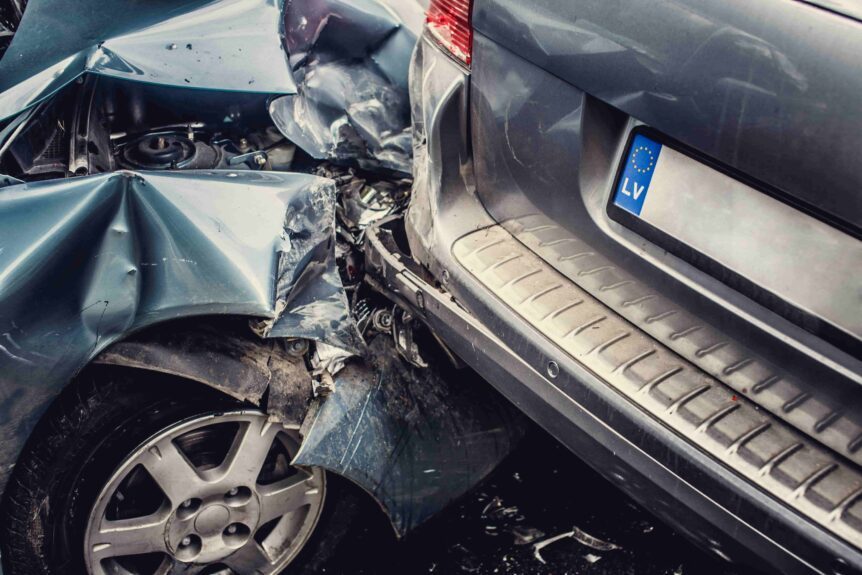
Two cars after a road accident, the kind of write-off often sold to a car wrecker for scrap

What Perth Car Wreckers Tell You When Selling a Scrap Car

KobyBlog

Selling a scrap car in Perth usually comes down to a phone call and a tow truck, and most of the time that is all it needs to be. But an experienced wrecker knows a few things about your car that rarely get spelled out on that call: how the offer is really built, what is worth saving before the shell is crushed, and what the law still expects from you once the car is gone. Here is what a straight-talking wrecker would tell you before you agree to anything.

How a scrap car offer is actually put together

Two things decide the number a wrecker gives you. The first is the car as raw material: its weight in recoverable metal, priced against what scrap steel and aluminium are selling for that week. Those rates move with global demand, so the same car can be worth a little more one month and a little less the next. The second is whether anything bolted to it is worth removing and reselling before it goes to the crusher.

A wrecker weighs those two together. A complete car with a sound engine, intact panels and its catalytic converter still fitted is worth more as a scrap car than the same model stripped of its wheels, battery and converter. If parts are missing, expect that to show in the offer.

It is also why a firm figure quoted over the phone, sight unseen, is only ever a guess. Every scrap car is different, so the fair way to find out what yours is worth is to have someone look at it and confirm the price before pickup.

The parts may be worth more than the metal

Scrap-metal value sets a floor, but it is often the parts that lift an offer above it. A wrecker who dismantles rather than simply crushes will look at the engine, transmission, alternator, starter motor, doors, lights and the electronics, and ask whether any of them are in demand for that model.

Common models are where this matters most. Mechanical parts and panels for a high-volume make like a Toyota sell steadily, because so many are still on the road needing repairs, so a tidy used part carries resale value that a scrap-metal price never captures. It is the reason an old but complete car of a popular make can be worth more than a newer, rarer one that nobody is shopping parts for.

What happens to the car after it leaves

A licensed wrecker does more than move the car on. Before the shell is sent for metal recycling, they drain and capture the fluids — engine oil, coolant, brake fluid, fuel and air-conditioning refrigerant — and take out the battery and tyres for separate disposal. Done properly, most of a car by weight is recycled rather than landfilled.

Whether the car is simply old and tired or genuinely wrecked after a crash, those same de-pollution steps apply. It is worth asking a yard whether it is licensed to handle end-of-life vehicles; a legitimate operator will say so straight away, and it is a fair sign of how the rest of the job will be handled.

The paperwork is yours, not the wrecker’s

The wrecker takes responsibility for the vehicle. You keep responsibility for the ownership record, and that is the part that catches people out.

In Western Australia you must tell the Department of Transport within seven days of disposing of the vehicle. You do it with the Notification of Change of Ownership – Vehicle Licence Transfer (MR9), recording the name and address of whoever took the car, which for a scrap sale is the wrecking yard. In the department’s words, “failure to do so will result in a penalty being applied.”

Standard WA number plates stay with the vehicle; personalised plates you want to keep must be exchanged at a DTMI service centre before the car is collected. If the car was written off after an accident it is already on the Written-Off Vehicle Register, and a statutory write-off can never be re-licensed or driven again. For the detail, our guide to lodging a notification of disposal walks through the form.

Is a wrecker the right call — and what they won’t tell you

A wrecker is not always the best answer. If the car still drives well, is reasonably current and would pass a roadworthy, a private sale almost always puts more in your pocket, even with the extra effort. The wrecker route wins when the car is old, unregistered, damaged, or simply not worth what a repair would cost.

A few things a yard will not usually volunteer. It will not tell you to ring around — but you should, because offers vary. Free metro towing is standard, though confirm it if the car sits outside the main suburbs or somewhere awkward to reach. Our yard is in Welshpool, so a pickup in Kewdale or the nearby industrial area is usually same-day. And “cash” almost always means an electronic transfer at pickup rather than notes in hand, so ask how and when you will be paid.

If you are weighing this up for a car anywhere in the Perth metro area, you are welcome to call Cash for Cars Perth on 0420 262 651. We will talk you through what your car is likely to be worth and how pickup works, with no obligation to go ahead.

Common questions

How do car wreckers work out what a scrap car is worth?

They combine two things: the weight of metal they can recover, priced against current scrap steel and aluminium rates, and the resale value of any parts worth removing first. A complete car scores better on both counts than one that has been stripped.

Can I sell a scrap car that is not registered or does not run?

Yes. Wreckers deal mostly in cars that are unregistered, non-running or damaged, and they bring their own towing. Registration status does not affect your ability to sell the car for scrap, though you still need to notify the Department of Transport afterwards.

Do I need a roadworthy certificate to scrap my car?

No. A roadworthy or safety inspection only matters when a car is being sold to stay on the road. A car going to a wrecker for dismantling and recycling does not need one.

What do I have to do after a wrecker takes my car in WA?

Lodge a Notification of Change of Ownership – Vehicle Licence Transfer (MR9) with the Department of Transport within seven days, listing the yard’s name and address. Remove any personalised plates first if you want to keep them; standard plates stay with the car.

Rows of cars parked at a lot, representing the second-hand car market a Perth seller is priced against

How to Get the Best Value for a Second-Hand Car in Perth

KobyBlog

Selling a second-hand car in Perth comes down to two things: knowing what the car is genuinely worth, and presenting it so a buyer sees that value straight away. Get either wrong and you either scare people off with an optimistic price or leave money on the table with a cheap one. This guide covers how to work out a fair figure for the Perth market, what actually moves that figure up or down, and how to get the car ready without spending money you will not get back. If your car is an older second-hand vehicle that is hard to shift privately, there is a section on that too.

Work out what your car is actually worth

Start with real listings, not a number in your head. Search carsales, Gumtree and Facebook Marketplace for the same make, model, year, variant and rough kilometres as yours, and look at what comparable cars are actually listed for around Perth rather than what sellers interstate are asking. Advertised prices sit a little above what cars change hands for, so shade your expectation down slightly from the asking figures you see.

Free online valuation tools give you a ballpark, usually as a range between a private-sale figure and a trade-in figure. The private number assumes a clean car with history and a patient seller; the trade-in number is what a dealer would hand you on the spot. Where your car falls between those two depends on its condition and how you choose to sell it.

Be honest about condition when you compare. A car with a full service history, two keys, no warning lights and tidy paint is worth noticeably more than the same model with none of that, even at identical kilometres.

What drives a second-hand car’s value in Perth

A handful of factors do most of the work here. Knowing which ones carry weight helps you set a price you can defend when a buyer starts chipping away, and it tells you where a little effort is worthwhile and where it is wasted.

  • Age and kilometres. Both count, but kilometres often matter more once a car is past about ten years old. A well-kept car with average kilometres beats a neglected low-kilometre one.
  • Service history and documentation. A logbook with stamps, or a tidy folder of workshop invoices, is the single easiest way to lift a private-sale price. It shows the car has been looked after and lowers the buyer’s risk.
  • Mechanical versus cosmetic condition. Buyers forgive a scuffed bumper far more readily than a rough idle or a gearbox that hunts. Money spent on how the car drives returns more than money spent on how it looks.
  • History. The number of owners, any past accident repairs, and whether the car has ever been written off all show up on a PPSR check, and all affect what a careful buyer will pay.
  • Timing. Four-wheel drives and utes sell well heading into summer and the holiday season; convertibles do better in spring. A small hatchback sells steadily year round.
  • Make, model and local demand. Cars that are common on Perth roads and cheap to service hold their value better, because more buyers can picture owning one.

That last point is worth dwelling on. A mainstream model like a Mazda, Toyota or Hyundai usually sells faster and closer to asking than a rare import with an uncertain parts supply, simply because the buyer pool is bigger and servicing is predictable.

None of this is about chasing the highest number. It is about setting a price the car can actually support, so buyers turn up instead of scrolling past.

Get the car ready without overspending

Before you photograph the car or write the ad, run through a proper pre-sale checklist. Our guide to lifting a second-hand car’s value before selling covers the cosmetic and mechanical prep step by step; the short version is that the goal is to remove reasons for a buyer to negotiate down, not to restore the car.

A proper detail inside and out, topped-up fluids, fresh wiper blades and any blown globes replaced cost little and make the car feel cared for. Fix the small things that are obviously wrong, such as a loose trim clip or a tyre down to the wear bars. Skip anything expensive you will not recoup: a major mechanical repair on an older car rarely comes back in the sale price, so it is usually better to price the car honestly as-is and let the buyer factor it in.

Paperwork that backs up your asking price

Have the vehicle licence papers, service records and owner’s manuals together before anyone comes to look. If the car is currently licensed, you do not need a roadworthiness inspection to sell or transfer it in WA. Inspections apply to first licensing, interstate vehicles and licences that have been expired for more than three months, not to ordinary transfers (transport.wa.gov.au).

Once the car is sold, notify the Department of Transport within seven days using the Notification of Change of Ownership – Vehicle Licence Transfer (MR9) form, recording the buyer’s name and address. Failing to lodge it can result in a penalty, and lodging it protects you from anything the new owner does before the car is transferred into their name (transport.wa.gov.au).

How you sell changes what you walk away with

The same car returns different money depending on the route you take, and the right one depends on the car’s age, condition and how quickly you need it gone. A tidy late-model car rewards a private sale; a higher-kilometre used car that is unregistered or damaged usually does better with a buyer who takes it as-is.

  • Private sale usually pays the most, but it takes the longest and means ads, messages, strangers at your home and payment risk. It works best for tidy, in-demand cars under about ten years old.
  • Dealer trade-in is the quickest and the lowest. You trade a few thousand dollars for convenience, and mostly come out ahead only through the stamp-duty saving on a car you buy the same day.
  • A car-buying or removal service sits between the two on effort. You get a firm figure, free pickup and payment on collection without the private-sale grind, which suits a car that is old, tired or simply not worth advertising.

A local buyer also saves time. Whether you are in Greenwood or one of the outer suburbs, a Perth-based service can usually give you a figure within the week and collect the car from your driveway, which matters when it is not driveable or you have already bought its replacement.

Frequently Asked Questions

How do I work out what my second-hand car is worth in Perth?

Compare current Perth listings for the same make, model, year, variant and kilometres, then shade the figure down slightly, because advertised prices sit above actual sale prices. A free online valuation tool gives you a private-sale to trade-in range as a sense check. Your car’s condition and service history decide where in that range it sits.

Is it worth repairing my car before I sell it?

Small, visible fixes usually pay for themselves, such as a blown globe, worn wipers, a scuffed wheel or a proper detail. Big mechanical jobs on an older car generally do not come back in the price, so in that case it is better to price the car honestly as-is.

Do I need a roadworthy certificate to sell my car in WA?

No. If the car is currently licensed, you can sell or transfer it without a roadworthiness inspection. Inspections apply to first licensing, interstate vehicles and licences expired for more than three months.

Will I get more selling privately or to a car-buying service?

A private sale usually nets more on a tidy, in-demand car if you have the time and patience for it. A car-buying service tends to win on an older, high-kilometre, unregistered or damaged car, where private buyers are thin on the ground and the extra effort earns you little.

What do I have to do after I sell my car in WA?

Lodge a Notification of Change of Ownership – Vehicle Licence Transfer (MR9) with the Department of Transport within seven days, with the buyer’s name and address. Hand over the service records and both keys, and remove any personalised plates first if you want to keep them.

If you would rather skip the private-sale process, or the car is too old, too tired or unregistered to bother advertising, our team buys second-hand cars right across Perth and can give you a firm price over the phone. Call 0420 262 651 with the make, model, year and condition, and we will talk you through what it is worth and how pickup works.