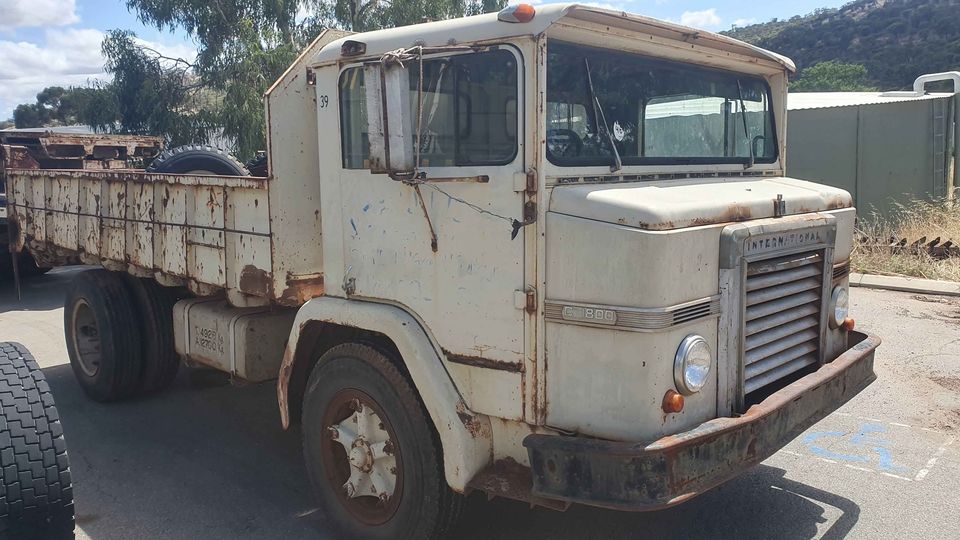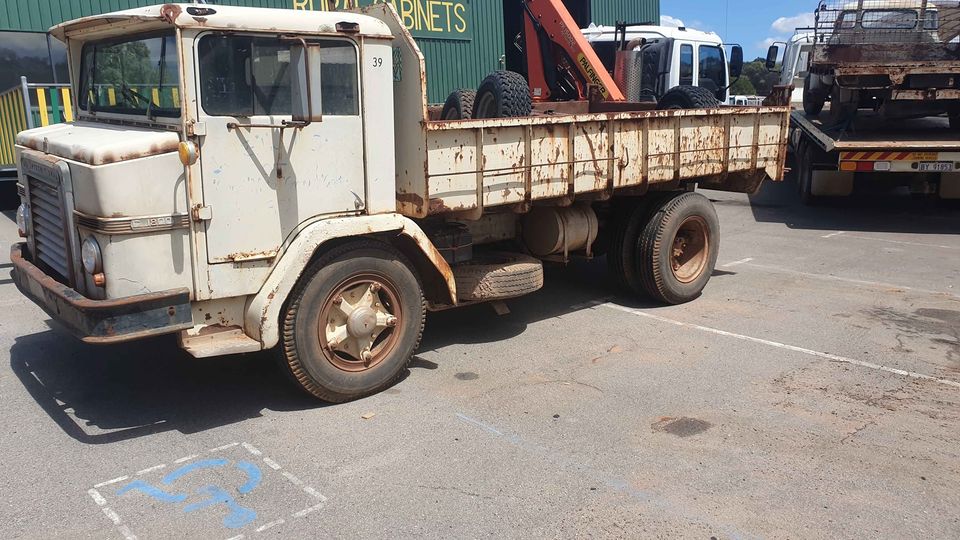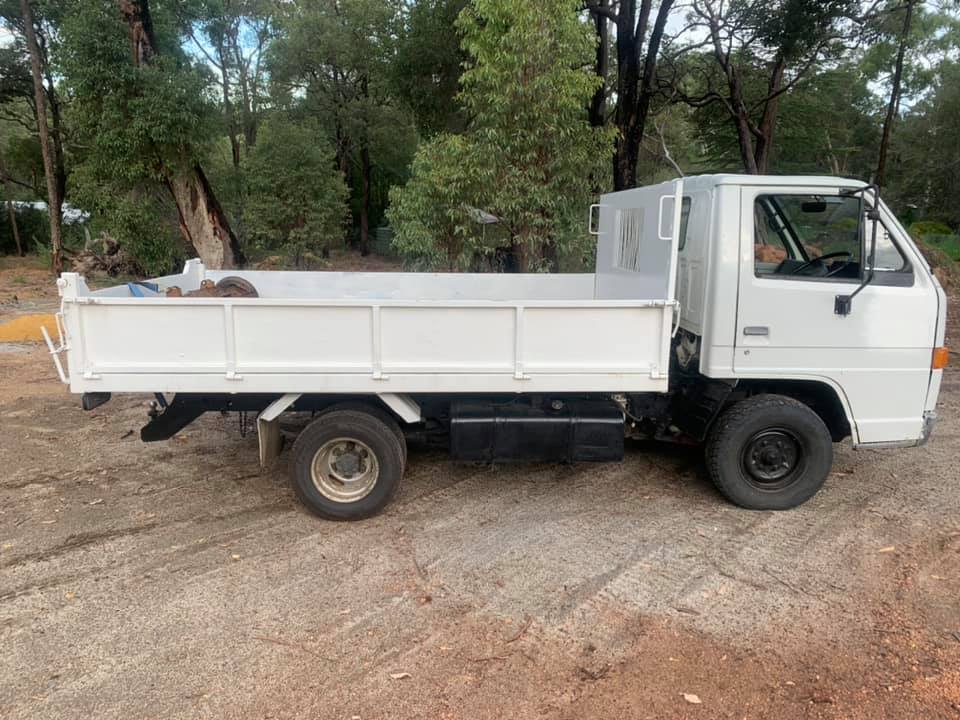

Selling your car doesn’t have to be a daunting process. With a reliable car removal service in Perth, you can sell your vehicle quickly and conveniently while avoiding common hassles like lengthy paperwork and delayed payments. However, to ensure a smooth transaction, there are some essential steps to take before handing over your car. Here’s a clear guide on what to do before selling your car to a car removal service.
1. Clean and Prepare Your Vehicle
While car removal companies accept vehicles in any condition, presenting a clean and well-maintained car may help improve its value. Before contacting a car removal service:
- Remove personal items from the car.
- Clean the interior and exterior thoroughly.
- Consider minor touch-ups or repairs to enhance its appearance.
2. Gather Essential Documentation
Having the necessary documents ready will make the selling process quick and hassle-free. Be sure to prepare the following:
- Proof of Ownership: Provide the car’s original title or registration documents to confirm you’re the legal owner.
- Identification: Have a valid photo ID, such as a driver’s license or passport, for verification.
- Service Records: Compile maintenance and repair records to showcase the car’s history. This can help increase trust and potentially improve the offer.
3. Remove Personalised Accessories
If your vehicle has aftermarket accessories or customisations, such as stereo systems, GPS devices, or personalised number plates, consider removing them. These items may hold sentimental or monetary value to you but might not significantly increase the car’s resale value. Returning the car to its original state appeals to a wider range of buyers.
4. Research and Set a Fair Price
Before reaching out to a car removal service, research your vehicle’s market value based on:
- Make and model
- Year of manufacture
- Mileage
- Condition
- Current demand
Having an idea of your car’s worth ensures you can negotiate confidently and get a fair deal. Although car removal companies will provide their own offer, knowing your vehicle’s market value helps you make informed decisions.
5. Contact a Trusted Perth Car Removal Service
Once you’ve prepared your vehicle and documents, choose a reputable car removal service in Perth. One such option is Cash For Cars Perth, a trusted name offering:
- Competitive cash offers
- Free car removal services
- Same-day pickups
To get a free quote or arrange a pickup, call 0420 262 651.
FAQs
1. How do car removal services in Perth work?
Car removal services make selling your car straightforward. Provide the company with details about your vehicle, including its make, model, and condition. They’ll give you an offer, and if you agree, they’ll schedule a pickup. On the pickup day, they’ll pay you the agreed amount and handle the towing and paperwork.
2. Do car removal companies accept vehicles in any condition?
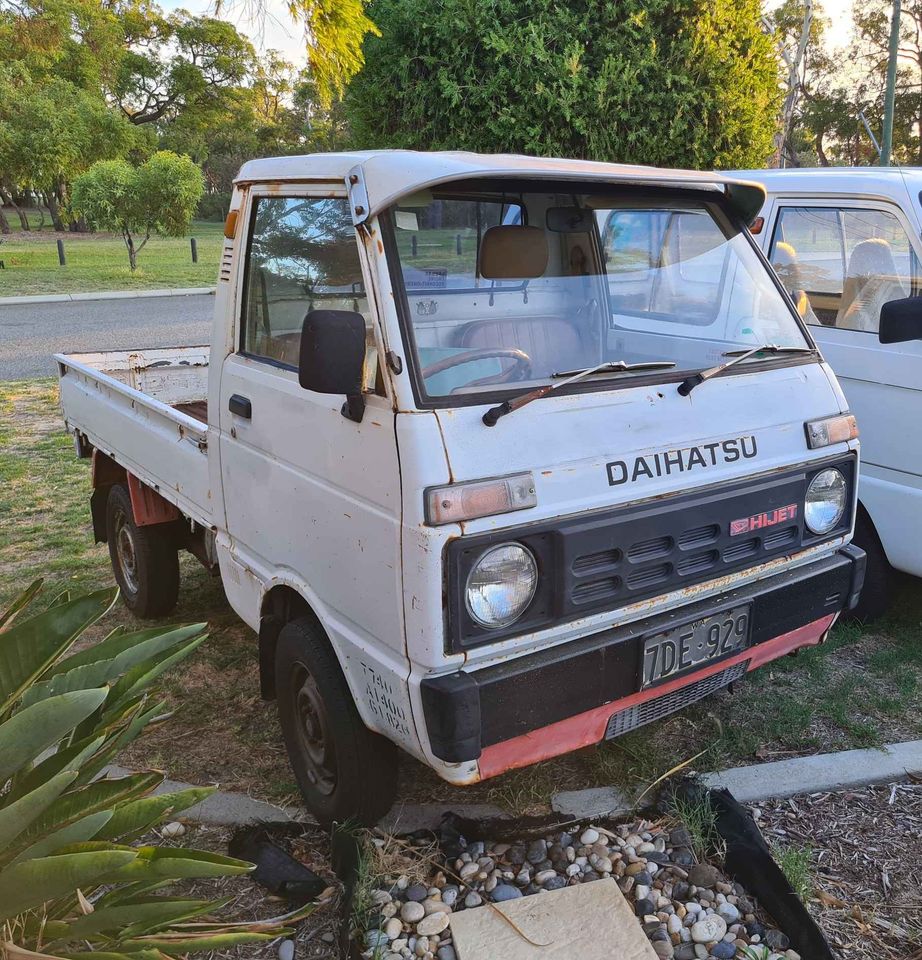
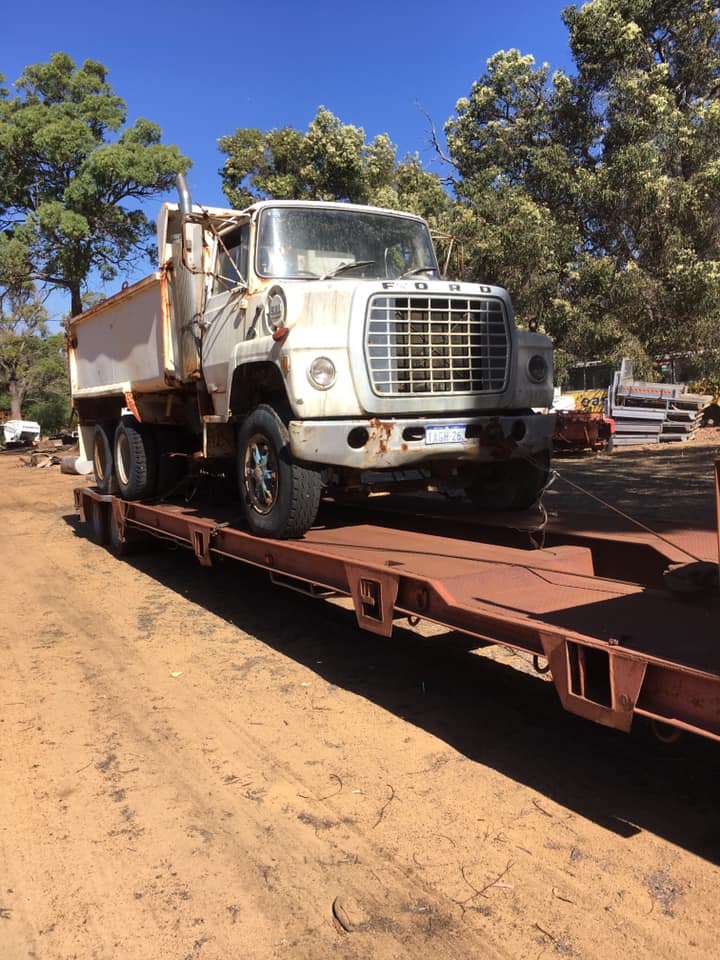
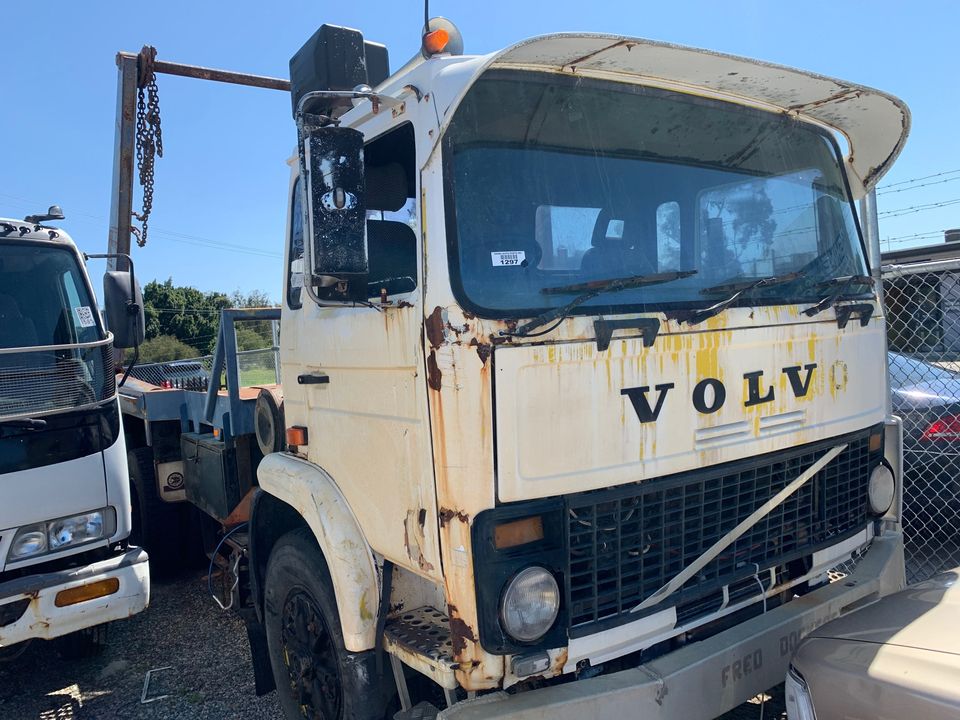
Yes, car removal companies in Perth, like Cash For Cars Perth, accept cars in all conditions, including old, damaged, wrecked, or non-functional vehicles. The offer is based on the recoverable parts and materials.
3. Are there any fees for car removal services?
No, reputable companies like Cash For Cars Perth provide free towing and don’t charge any fees. They also handle all the paperwork.
4. Can I sell my car without the title or registration papers?
While having the original title or registration papers is recommended, you may still be able to sell your car without them. Contact your local Department of Motor Vehicles to obtain duplicate documents or discuss alternatives with the car removal company.
Conclusion
Selling your car to a car removal service in Perth is an efficient way to dispose of an unwanted vehicle. By preparing your car, gathering the necessary documents, and researching its value, you can ensure a seamless and rewarding experience.
Choose a trusted service like Cash For Cars Perth for the best offers and hassle-free transactions. Call 0420 262 651 or visit www.cashforcars-perth.com.au to get started.