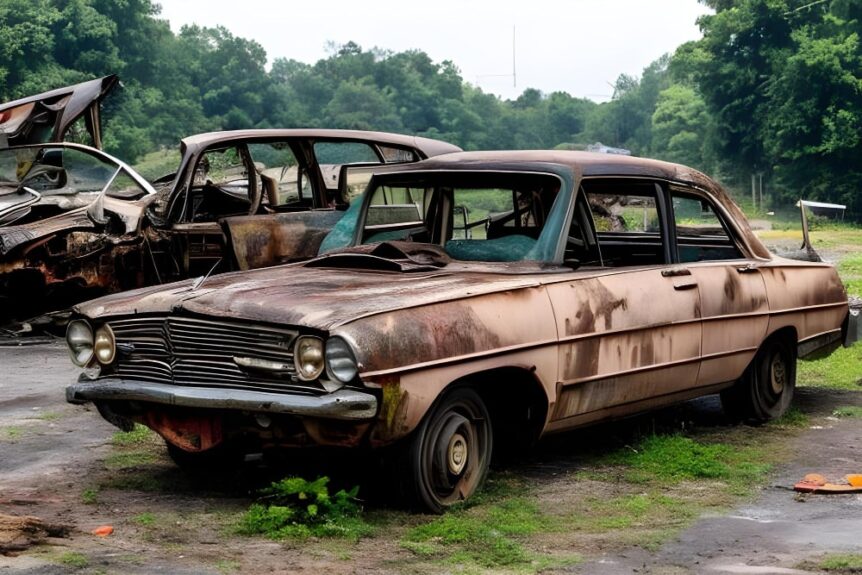

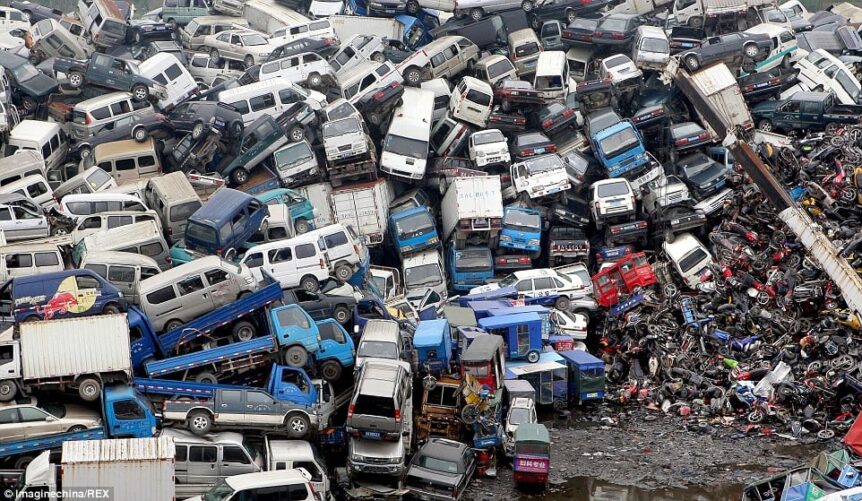
A car being dismantled at a Perth wrecking yard, where scrap cars are stripped for parts and metal

How to Increase Your Scrap Car’s Value in Perth

KobyBlog

Selling a car at the end of its life doesn’t have to mean taking the first low number you’re offered. A scrap car’s worth comes down to two things: the metal it’s made of and the parts that still work. Once you understand how a buyer adds those up, a handful of practical steps can noticeably lift what you walk away with.

What actually decides a scrap car’s value

The metal in the body and chassis is priced by weight against the day’s scrap rate, so a heavier car carries more value as raw steel, aluminium and copper. Sitting on top of that is salvage value — the parts that still work. This is why an offer on a scrap car from a wrecker who resells used parts often beats a metal-only quote from a yard buying purely for tonnage. A straight panel, a working alternator or a near-new set of tyres is worth far more removed and resold than crushed with the shell. Working out which kind of buyer you’re dealing with explains most of the gap between two quotes on the same car.

Have your service history ready

If you’ve kept the logbook and repair receipts, put them together before you start getting quotes. On a purely metal price it changes nothing, but a wrecker who resells parts will pay a little more when they can see the engine, gearbox and electrics were maintained rather than run into the ground. It is the cheapest way there is to nudge an offer upward, and it costs you nothing but a few minutes in the filing drawer.

Strip the parts worth money first

The components with their own resale market are worth pulling before the car is weighed in — if you have the time and a buyer lined up:

  • the battery, and the catalytic converter, which is often the single most valuable item on an older car
  • the alternator and starter motor
  • the infotainment or head unit and any working electronics
  • a good set of tyres and wheels, plus undamaged panels, lights and mirrors

Common models move fastest. A Mitsubishi Triton or Pajero has steady demand for used panels and mechanical parts across Perth simply because there are so many of them on the road. Two cautions before you start: some buyers cut their whole-car offer if the vehicle turns up already stripped, so check first, and never remove a catalytic converter without a legitimate buyer lined up.

Sell it whole, or part it out?

Parting a car out can return more than a single scrap payment, but it is a genuine project — photographing parts, answering messages, packaging and posting, and storing the shell until it’s stripped. Selling the whole car to one buyer is faster and leaves nothing behind to dispose of.

The other question is whether the car should be scrapped at all. If it still drives and the panels are straight, it may be worth more as a used car than as raw material, so weighing up selling versus scrapping is worth doing before you commit either way.

Watch the scrap metal price

Scrap metal isn’t a fixed rate. It moves with global demand, sometimes noticeably over the space of a few weeks. If the car isn’t urgently in the way and there’s no safety or licensing reason to move it now, it’s worth asking a couple of yards where prices are sitting before you commit. Selling into a stronger market can add a useful amount on a heavier vehicle. Don’t spend months chasing a peak, though — a car standing outside deteriorates and parts have a way of walking off.

Get a few quotes and let them compete

Never take the first number. Get quotes from at least three buyers, and mix scrap yards with car removal services, because the two value a car differently. Once the quotes are in front of you, tell each buyer what the others have offered and ask whether they can better it. Compare what’s actually included as well: free towing, same-day pickup and payment on collection are standard from a good operator, and a quote that leaves those out isn’t the higher offer it first looks like.

When it’s a junk car, not a project

Not every tired car is worth optimising. There’s a point where the effort spent chasing a bit more value is worth more than the value itself, and recognising that early saves you weeks.

If the car hasn’t run in years, won’t pass a roadworthy and has more rust than solid metal, treat it as a junk car: get a fair whole-car quote and move it on. Holding out for a better scrap price rarely pays here, because a car left standing loses parts and structure faster than the metal market rises.

Getting the car collected in Perth

Once you’ve accepted an offer, a good removal service handles the rest — a pickup window, free towing whether the car runs or not, and payment on collection. Clear access helps: if the car is behind a locked gate or boxed in, sort that out before the tow truck arrives so it isn’t turned away.

Pickups cover the whole metro area, so a seller in Viveash or the eastern suburbs is reached as easily as one near the yard. Before the car is loaded, take your plates if you’re keeping them and clear out the glovebox and boot — licence papers and personal bits are easily left behind.

Every scrap car is different, and the only real way to know what yours is worth is to have someone price it on the details. Tell a buyer the make, model and year, whether it drives, what’s damaged and where it is, and ask them to confirm the figure before pickup rather than quoting blind over the phone.

Frequently Asked Questions

How is a scrap car’s value worked out in Perth?
It comes in two parts. The metal in the body and chassis is priced by weight against the current scrap rate, so heavier cars are worth more as material. On top of that, a wrecker adds the value of any parts that can be resold — engine, gearbox, alternator, catalytic converter, panels and wheels. Whether the car still runs matters less than how complete and rust-free it is.

Is it worth pulling parts off before I scrap the car?
It can be, if you have the time and somewhere to sell them. Batteries, catalytic converters, alternators, starter motors, infotainment units and good tyres all have their own resale market. But selling parts one at a time is slow, and some buyers reduce their whole-car offer if the vehicle arrives stripped, so check with your buyer first.

Do I need a roadworthy certificate to sell my car for scrap?
No. A roadworthiness inspection applies when you’re licensing a vehicle for the road — a first WA licence, an interstate vehicle, or a licence that has lapsed by more than three months. Selling a car for parts or scrap doesn’t require one (transport.wa.gov.au).

What do I do about the paperwork after scrapping my car in WA?
Lodge a Notification of Change of Ownership – Vehicle Licence Transfer (form MR9) with the Department of Transport within seven days of handing the car over, recording the yard’s name and address. Failing to do so means a penalty applies. If you want to keep personalised plates, remove them before collection; standard plates stay with the vehicle (transport.wa.gov.au).
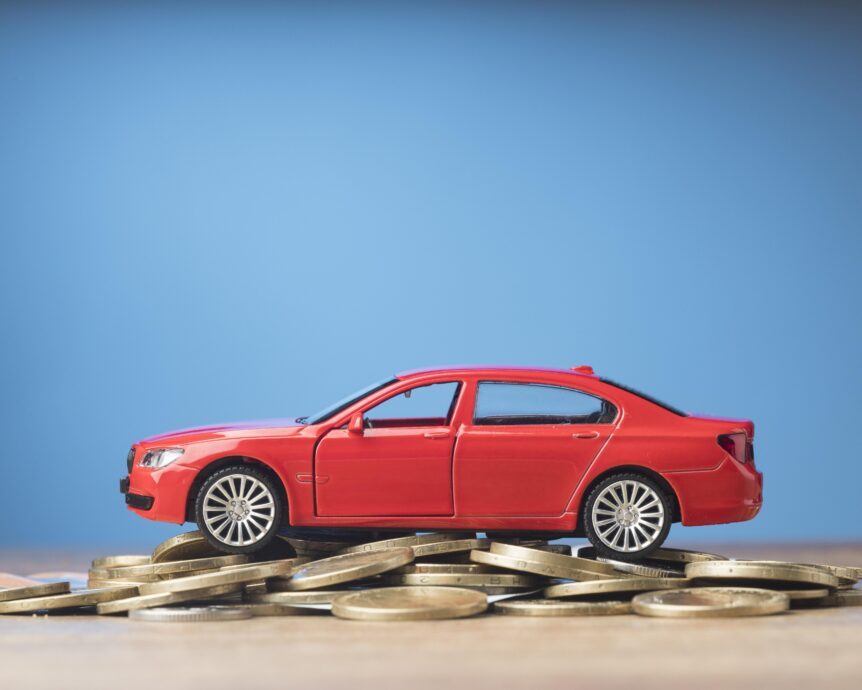
A red car beside a stack of coins, representing the money tied up in a car

Money-Strapped? How to Offload a Car You Can’t Afford

Kobyscrap cars

The past few years have been hard on household budgets. Rising interest rates, rents and insurance premiums have left plenty of Perth families looking closely at where their money goes — and for many, a car is one of the first things on the list. If you have a car you no longer really use, or one that costs more each month than it earns its keep, offloading it can free up cash and cut an ongoing expense in a single move. This guide covers how to tell whether that is the right call, what your options are, and how to get the car gone without spending money you do not have.

When keeping a car stops making sense

For most households the main car is non-negotiable: it gets people to work, school and appointments. The one worth a second look is usually the other vehicle — a second car bought when times were better, a teenager’s car that is barely driven now, a ute kept for occasional weekends, or a project that never quite got finished.

Even parked, a car costs money. Registration and compulsory third party insurance fall due whether you drive it or not, and any comprehensive cover keeps ticking over. A car that sits also goes backwards: flat batteries, perished tyres, seized brakes and fuel-system trouble are common after months of not moving. At some point the useful question is not “what is it worth?” but “what is it costing me to hold on to it?”

Add up what the car really costs you

Before you decide, put a real number on it. Add up twelve months of:

  • registration and CTP
  • insurance
  • fuel
  • servicing, tyres and repairs
  • any finance still owing
  • parking or storage, if you pay for it

Then weigh that against how often you actually use the car and what it would sell for today. A car you drive once a fortnight that costs a couple of thousand a year to keep is quietly draining money that could go elsewhere.

Factor in anything major on the horizon too. A timing belt, a transmission service, a full set of tyres or an air-conditioning repair can cost more than an older car is worth. Some makes are dearer to keep than others once they are out of warranty — a Volkswagen Golf or Passat with a DSG or timing-chain fault, for instance, can face a bill that runs well into the thousands. When a repair like that is looming, that is often the moment people decide to let the car go.

If your registration has lapsed

Letting registration expire is a common way to trim costs when money is tight, and it does not leave you stuck with the car — it just changes how you sell it.

You cannot drive an unregistered car or let a buyer test-drive it on the road, but a licensed removal service will still collect one, and private buyers after a project or a parts car will still be interested. Our guide to selling a car that isn’t registered covers what you can and can’t do and how the handover works.

Either way, record the transfer. In WA you lodge a Notification of Change of Ownership (Form MR9) within seven days of handing the car over, with the buyer’s name and address; if you don’t, a penalty can be applied (transport.wa.gov.au).

Your options for offloading it

Once you have decided the car should go, there are four main ways to move it on:

  • Private sale. Usually gets you the most money, especially for a tidy car that still drives well and is registered. The trade-off is time and effort — photos, an ad, messages, no-shows and a safe place to meet buyers — and it can take days or weeks.
  • Trade-in. Quick and easy if you are replacing the car, but the dealer’s offer will be the lowest of the options, because they need a margin on the resale.
  • Car removal or wreckers. The fastest route, often same day, and the condition of the car does not matter. There is no advertising and pickup is free. You will get less than a strong private sale for a good car, but for an old, unregistered or non-running one it is usually the only realistic buyer.
  • Give it away or donate it. If the car is worth very little and someone you know needs it, or a charity accepts vehicles, that can be worth more to you than the small amount a sale would bring.

Match the method to the car and to how soon you need the money. A near-new car you are simply downsizing out of is worth the effort of a private sale; a fifteen-year-old second car with a list of faults is not.

What a tired or unwanted car is worth

There is no single price for an older or unwanted car, and any figure advertised as a flat rate is a starting point, not a promise. What a buyer will actually pay comes down to:

  • whether it runs and drives, and whether it is registered
  • age, kilometres and overall condition
  • the make and model, and how much demand there is for its parts
  • whether it is complete and undamaged, or stripped or crashed
  • how easily a tow truck can reach it

The most reliable way to find out is to have someone assess the actual car rather than work off a number online. Give a buyer the details — make, model, year, condition, whether it starts — and let them price it on that, then confirm the figure before the car is collected.

Getting it gone without paying to do it

When money is the reason you are selling, you should not have to spend more to get the car gone. A reputable removal service quotes for free, collects for free, and covers the tow whether the car is in Piara Waters, Rockingham or anywhere across the Perth metro area.

Avoid anyone who charges for pickup or paperwork, and be wary of a quote that is high on the phone and then drops when the truck arrives — get the offer confirmed against the car’s real details first. Have your photo ID and whatever ownership papers you still have ready so the handover is quick.

If you have worked through the numbers and the car has simply reached the end of its useful life, Cash for Cars Perth buys older cars in any condition across Perth and collects them free — a straightforward way to turn a standing expense back into cash. Call 0420 262 651 for a quote based on the details of your car.

Frequently Asked Questions

How do I know if my car is costing me too much?

Add up a full year of registration, CTP, insurance, fuel, servicing, tyres and any finance, then compare that to how often you actually drive the car and what it would sell for now. If the yearly cost is a large share of the car’s value and you rarely use it, it is working against you — especially if a major repair is due.

What is the quickest way to sell a car if I need the money now?

A trade-in or a car removal service is fastest, and a removal service can often assess the car and pay on the same day. A private sale usually gets you more, but it takes time and the car needs to be registered and presentable to attract buyers.

Can I sell my car if the registration has expired?

Yes. You do not need to put it back on the road to sell it. You cannot drive it or offer road test drives, but a licensed removal service will still collect it and some private buyers will still want it. You lodge the change of ownership (Form MR9) within seven days of the handover, with the buyer’s details (transport.wa.gov.au).

Is a car that does not run still worth anything?

Usually, yes — for its usable parts and scrap-metal value. What it is worth depends on the model, what can be salvaged and how complete it is. Have it assessed on its actual condition rather than relying on an advertised figure.

Accident-damaged cars in a car park, including a four-wheel drive waiting to be sold or removed in Perth

How to Sell a Damaged 4WD in Perth

KobyBlog

A damaged 4WD is an awkward thing to have parked in the yard. It is too big to ignore, usually too expensive to fix, and worth too much to simply give away. Whether yours has been off-road one time too many, rolled, flooded, or just worn out after a long working life, you have more options than it might feel like. This guide covers how to work out what a damaged four-wheel drive is actually worth in Perth, how to choose between repairing it, selling it as-is or sending it to a wrecker, and what the Western Australian paperwork involves. Plenty of Perth buyers take on 4WDs that no longer drive, so a non-runner is far from a dead end.

Start by working out how bad the damage really is

Before you can make a sensible decision, you need an honest picture of the damage. Walk around the vehicle and sort what you find into three groups: cosmetic, mechanical and structural.

Cosmetic damage — panel dents, scratched paint, a cracked bumper bar, worn seats — looks worse than it costs. It rarely moves what the 4WD is worth by much.

Mechanical damage counts for more. A blown head gasket, a failed transfer case, a gearbox that will not select gears or a seized diff all cost real money on a four-wheel drive, where parts and labour run higher than on an ordinary passenger car.

Structural damage is the one that decides things. Chassis rust, a bent chassis rail, crush damage from a rollover or a hard hit, or a compromised firewall can push a 4WD past the point where repairs make financial sense — and sometimes past the point where it can legally go back on the road at all.

If you are not sure what you are looking at, a short inspection by a mechanic or a smash repairer will tell you what is wrong and roughly what a repair would cost.

What a damaged 4WD is actually worth

There is no flat figure for a damaged 4WD. Value comes down to the make and model, the year, the kilometres, what is actually wrong with it, whether it still drives and rolls, and how easily a truck can reach it.

Two things do most of the work. The first is parts demand. A common Perth model with a large fleet behind it — a Nissan Patrol or Navara, a Toyota LandCruiser or HiLux, a Ford Ranger — has buyers waiting for its running gear, so even a badly damaged example holds value. A rare import with slow-moving parts does not.

The second is completeness. A 4WD that still has its engine, transmission, transfer case, diffs, wheels and electronics is worth far more than one that has already been picked over.

Anyone who quotes you a firm price without seeing the vehicle is guessing. The fair way to find out what yours is worth is to give a buyer the details and let them price it on the specifics, then confirm that figure before the 4WD is collected.

Repair, sell as-is, or send it to a wrecker?

Once you know the damage and have a rough repair estimate, the decision usually lands on one of three paths.

Repair makes sense when the 4WD is otherwise sound, the model holds its value well, and the repair cost sits comfortably below what the vehicle would be worth once fixed. Get a written quote first — 4WD repairs have a habit of growing once the panels come off.

Sell it as-is when the repair bill gets close to or passes the vehicle’s repaired value, or when you just do not want the project. You will get less than for a clean example, but you keep the repair money and the time. Buyers who deal in damaged vehicles across Perth will quote on a 4WD in any state, running or not.

Send it to a wrecker when the damage is severe, the 4WD is old, or it has been written off. The value then is in the salvageable parts and the scrap metal, and a licensed wrecker organises the collection and disposal.

For a lot of damaged 4WDs the numbers point clearly towards selling rather than repairing — the repair economics on a large four-wheel drive are rarely in the owner’s favour once structural or driveline work is on the list.

Is your 4WD a write-off?

If your 4WD has been through a serious crash or a flood, an insurer may have assessed it as a write-off, and that changes what you can do with it.

Western Australia uses two categories. A statutory write-off is a vehicle “damaged so severely it can never be made safe or roadworthy” — it cannot be re-licensed or driven again under any circumstances and can only be used for parts or scrap. A repairable write-off has been “assessed as a total loss, usually because the cost of repairs exceeds its market value”, but the damage is not severe enough to be statutory; it can be repaired and re-licensed, but only after it meets all inspection, repair and licensing requirements.

Both categories are recorded against the vehicle permanently, and a written-off 4WD’s licence is cancelled. If an insurer has written yours off, you have usually been told which category applies. If you are weighing up buying it back to on-sell it, it is worth understanding how the two write-off categories differ before you commit. (Source: transport.wa.gov.au/licensing/vehicle/written-off-vehicles)

Getting a damaged 4WD off your property

A damaged four-wheel drive is heavier and more awkward to shift than a car, so access matters. A buyer or wrecker will want to know whether it rolls and steers, whether the wheels are on it, and whether a tilt-tray or a truck with a winch can get to it. Tight driveways, soft ground, sloped blocks and hills properties are all workable with the right gear, but mention them when you book so the right truck is sent. Most Perth buyers cover the metro area and the hills — a pickup somewhere like Kalamunda is routine — and a genuine operator will not charge you for towing or removal.

Whoever takes the 4WD, lodge a notification of disposal with the Department of Transport within seven days of handing it over, with the buyer’s name and address, so the vehicle comes off your name.

If you would rather talk it through, Cash for Cars Perth buys damaged 4WDs across the metro area and can price yours over the phone on 0420 262 651.

Frequently Asked Questions

How do I know if my damaged 4WD is worth repairing?

Get a written repair quote and weigh it against what the 4WD would be worth once fixed. If the repair cost is close to or above that figure — common once structural or driveline work is involved on a large four-wheel drive — repairing rarely pays off. Cosmetic or minor mechanical damage on a late-model, in-demand vehicle is the case where repair is most likely to be worth it.

What is a damaged 4WD worth if it does not run?

Often more than you would expect, if it is a common Perth model. A non-running Patrol, LandCruiser, Ranger or similar still has strong demand for its engine, transmission, transfer case, diffs and body parts. The figure depends on the model, the year, what is still on the vehicle and how easily it can be collected, so no one can give you a firm price without the details.

Is a damaged 4WD automatically a write-off in WA?

No. A vehicle is only a write-off if an insurer or self-insurer has assessed it as one and recorded it. A statutory write-off can never be re-licensed and is limited to parts or scrap; a repairable write-off can be repaired and re-licensed after it passes the required inspections. If your 4WD was damaged but never went through an insurer, it is not a write-off — though a buyer will still price it on the damage.

What paperwork do I need to sell a damaged 4WD in Perth?

You lodge a Notification of Change of Ownership – Vehicle Licence Transfer (MR9) with the Department of Transport within seven days of disposing of the vehicle, recording the buyer’s name and address. Failure to do so results in a penalty being applied. Standard WA plates stay with the vehicle; if you have personalised plates, arrange to keep or transfer them before the 4WD is collected. (Source: transport.wa.gov.au/licensing/vehicle/buy-sell-transfer/sell)

Tips to Maximise Your Profit When Selling Your Scrap Car

How to Get the Most Cash for Your Scrap Car in Perth

KobyBlog

Selling a scrap car in Perth isn’t complicated, but a bit of preparation makes a real difference to what you walk away with. The final figure comes down to things you can actually influence: the weight and metal in the car, which parts still have value, who you sell to, and how much hassle you save the buyer. Here’s how to get the most for an end-of-life car without losing a weekend to it.

How a scrap car’s value is worked out

Most scrap cars are priced on weight and recoverable metal rather than make or model. Cars sold for scrap are paid on materials, not roadworthiness, so a heavier body is worth more simply because it carries more steel. On top of the shell, the catalytic converter, battery, alloy wheels, wiring loom and radiator each carry separate value.

Scrap-metal prices shift from week to week, so a quote you were given a month ago isn’t a reliable guide now. Condition still matters at the margins: a car that rolls and steers is easier to load than one that has to be winched, and a complete car is worth more than one that’s already been stripped of its good parts.

Get more than one quote

The first offer isn’t automatically the best one. Call two or three Perth removers, give each the same details — make, model, year, whether the car is complete, whether it drives, and your suburb — and compare like with like. A firm phone quote should hold on arrival unless the car turns out to be different from what you described, so be cautious of a price that shrinks the moment someone spots a flat tyre.

Location plays into the number as well. An operator collecting from Greenmount or the outer foothills has more tow time to cover than one working nearby, so a slightly lower quote from a closer yard can still leave you better off.

Get the car ready for pickup

A scrap or unwanted car headed for dismantling doesn’t need a roadworthy or a paid valuation, but a little prep still protects your money:

  • Clear it out. Check the boot, glovebox, under the seats and the visors — toll tags and paperwork tend to stay behind.
  • Decide what to sell separately. A near-new battery, good tyres, a tow bar or an aftermarket stereo can be worth more on their own, if you have somewhere to keep them and time to list them.
  • Leave the catalytic converter in place. It’s a large part of the quote, and removing it usually costs you more than a private sale would return.
  • Have the keys, and any registration papers or service records, ready to hand over.

None of this takes long, and it’s often the difference between a clean sale and a discounted one.

Sort the WA paperwork

Even a scrap car has to be signed off with the Department of Transport. In WA you need to lodge a notification of disposal within seven days of the car leaving your hands, with the buyer’s name and address — miss it and the vehicle, plus any infringements it picks up, stays attached to you. A licensed remover will usually lodge it for you, but the obligation is legally yours, so ask for written confirmation.

Two other things to know: standard WA number plates stay with the vehicle, so only personalised plates are worth removing — and those must be surrendered at a DoT centre before the car goes. And if the car has already been written off, its registration is effectively cancelled and it can only be sold for parts or scrap anyway.

Choosing who to sell to

Favour a buyer with a WA address, an ABN, and prices quoted over the phone rather than “on inspection”. Free removal and same-day or next-day pickup across the Perth metro area should be standard, not something you negotiate for. It’s also worth knowing that some makes carry a parts premium — an ageing Audi, BMW or Mercedes often has wreckers competing for it, which can lift the offer above straight scrap value.

Getting the most for a scrap car really comes down to three things: knowing roughly what it’s worth, asking a few buyers, and having it ready when the truck turns up. If you’d like a figure for yours, Cash for Cars Perth will price it on the details and confirm before pickup — call 0420 262 651.

Frequently asked questions

How is a scrap car’s value worked out in Perth?

Mostly on weight and recoverable metal, adjusted for the parts still on the car (catalytic converter, battery, wheels and so on) and the current scrap-metal price. Make and model matter less, except where a car has strong demand for used parts. Getting two or three quotes is the only reliable way to know your number.

Do I need a roadworthy or current registration to sell a scrap car?

No. A car being dismantled doesn’t need a roadworthy inspection, and you can sell an unregistered car without a problem. You do still need to lodge a notification of disposal with the Department of Transport within seven days.

What do I need to have on the day?

Photo ID, the keys, and any registration papers you still have. If personalised plates are fitted, arrange to keep them with DoT beforehand; standard plates stay on the car.

Is free car removal actually free?

With a reputable Perth operator, yes: collection and towing across the metro area are included, and the phone quote is what you should be paid. Be wary of any buyer who starts deducting fees once they arrive.

Can I sell parts off the car first?

Yes, if it’s worth your time. A good battery, tyres, a tow bar or a decent stereo can bring more sold separately. Leave the catalytic converter on the car, though; you’ll lose more than you gain by pulling it.

Should You Sell or Scrap Your Car for Cash in Perth?

Should You Sell or Scrap Your Car in Perth?

KobyBlog

If your car is old, tired, or sitting on the verge with a flat battery, you have probably wondered whether to sell it or send it to a wrecker. It is one of the most common questions Perth car owners ask us, and the honest answer depends less on what you would like to get for it than on what the car actually is. A car someone else would happily drive is worth selling. A car that is only worth its parts and metal is usually better off going straight to a scrap buyer. This guide covers how to tell which one you have, what each path is worth, the paperwork, and what scrapping actually involves.

Is your car worth selling, or is it past that?

Start with an honest look at the car itself, not the value you have carried in your head since you bought it.

A car is generally still worth selling if it starts, drives, stops and steers safely, it has current licensing or would pass a roadworthy inspection without major work, there is no structural rust or chassis damage, the engine and transmission are sound, and any repairs it needs are cheap next to what it would sell for.

It has usually crossed into scrap territory if it does not run, or would cost more to fix than it would then be worth; it would fail a roadworthy on safety items; it has heavy rust, flood or accident damage; an insurer has already written it off; or its panels, parts and metal are all that is left of value.

Plenty of cars sit in the middle: they run, but they need a timing belt, a clutch or a windscreen, and you are weighing that bill against a modest sale price. Here is the test that works. Would a private buyer need the same repair done before they trusted the car? If so, you are really selling them a project, and most people will not pay much for one. The gap between a private sale and a wrecker’s offer is often smaller than you expect.

What each path is worth

The two paths answer different questions.

Selling prices the car as transport: make, model, age, kilometres, service history, condition, and how many similar cars are on the market right now. Buyers pay for a car they can get in and drive away, so a tidy, well-documented used car in a common model holds its value far better than a rare or unloved one, and a full service history can be worth more than any single repair you might do.

Scrapping prices the car as materials and salvage. The metal has a value, but the bigger number is usually which parts can be pulled, tested and resold, which is why two cars of the same age and weight can be worth very different amounts.

A Subaru Forester or Outback with a sound engine and gearbox, straight doors and working electronics is worth more to a wrecker than an obscure import the same size, because the parts sell. Age and kilometres matter far less here than on the selling path. One rule holds either way: be wary of any firm figure quoted before someone has seen the car. Every vehicle is different, so have yours priced on the actual details and confirmed before it changes hands.

How much time and effort each path takes

Selling privately is the slower road: writing the ad, fielding messages and tyre-kickers, being home for inspections and test drives, haggling, then sorting the transfer. That can take a weekend or several months. A dealer trade-in is quicker, but the offer reflects the convenience.

Scrapping, or selling to a car removal service, is built around one phone call: you give the details, you get a price, and if you accept, the car is collected, often the same day, with the paperwork done at pickup. If the car is unregistered, undrivable or in the way, trading a possible higher sale for that speed is usually worth it. If it is genuinely desirable and you can wait for the right buyer, selling privately will normally put more in your pocket.

The paperwork, either way

Whichever path you pick, the licensing side is yours to sort out, not the buyer’s and not the wrecker’s.

When you dispose of a vehicle in WA, whether sold, traded in or scrapped, you must tell the Department of Transport within 7 days of ceasing to be the owner. The form is the Notification of Change of Ownership – Vehicle Licence Transfer (MR9), and you need the buyer’s or yard’s name and address to complete it. Transport WA puts it bluntly: “failure to do so will result in a penalty being applied.” Standard WA number plates stay with the vehicle and pass to the new owner; if you have personalised or optional plates you want to keep, remove them and arrange replacements at a DTMI service centre first.

One case changes the picture. If an insurer has already declared your car a write-off, it is on the Written-Off Vehicle Register. A statutory write-off “can never be re-licensed or driven on the road again” and may only be sold for parts or scrap. A repairable write-off can be sold on, but the next owner takes on a two-stage inspection before it goes back on the road. Either way, that history stays attached to the car.

What scrapping actually involves

If you land on scrapping, this is what happens to the car. A licensed yard first drains and captures the fluids, battery, gas and other hazardous material, a step called de-pollution that is a legal requirement. Parts that pass testing are removed and resold as used spares, and what is left is flattened and sent for metal recycling. It is a regulated process, which is part of why a proper operator can pay you for a car that a tip would charge you to drop off.

A few simple steps before you call can lift what a wrecker offers, and our guide to increasing your scrap car’s value runs through them.

At a minimum, clear out any personal belongings, have the licensing details on hand, and note any aftermarket extras you fitted.

Collection is the easy part. Whether you are in Harrisdale or closer to the coast, a removal service brings a tow truck to your address and hands over payment and paperwork on the spot. There is no charge for the tow, and a car that does not run or is unlicensed is fine as long as the truck can reach it.

Frequently Asked Questions

Is it better to sell my car privately or scrap it?

If the car runs safely, has current licensing or would pass a roadworthy, and needs no major repairs, selling privately almost always returns more. If it does not run, would fail on safety, or needs repairs worth more than the car, scrapping is usually the better call once you value your time.

How do I know if my car is only worth its scrap value?

Ask whether a private buyer would need the same repairs done before they trusted the car. If yes, you are selling a project, and projects sell for very little. Once the repair bill nears what the car would fetch, its value is in its parts and metal.

Do I need a roadworthy inspection to scrap my car?

No. A roadworthy inspection is required when a vehicle is first licensed in WA, brought in from interstate, or relicensed after more than three months unlicensed, not to sell a car for parts or scrap.

What paperwork do I do after selling or scrapping a car in WA?

Lodge a Notification of Change of Ownership – Vehicle Licence Transfer (MR9) with the Department of Transport within 7 days, recording the buyer’s or yard’s name and address. Remove personalised plates first if you want to keep them; standard plates stay with the car.

Can I scrap a car that is not registered or does not run?

Yes. An unlicensed or non-running car can still be collected and still has value in its parts and metal. You need to be the registered owner, or have the owner’s authority, and provide identification.

Still not sure which way to go? Cash for Cars Perth handles both, a straight purchase if the car still has life left in it, or removal and recycling if it does not. Call 0420 262 651 with the details and we will talk it through and price it honestly.

An old car parked up and no longer driven, waiting to be sold for scrap and removed in Perth

What to Do With a Junk 4WD in Perth

KobyBlog

Is your four-wheel drive taking up space and no longer earning its keep? A 4WD that has stopped working for you is an awkward thing to have sitting around. It is heavier than a car, it takes up more room, and once it is off the road the registration, the insurance and the slow loss of value all keep working against you. A 4WD also tends to lose value quickly once it has a real fault attached to it, so sitting on the decision rarely makes the number better. If yours is genuinely done, whether that is a blown engine, chassis rust, a rollover or simply too many years and too many kilometres, the practical question is not whether to keep it but how to move it on without spending money you will not get back. Buyers who take 4x4s and 4WDs in any condition are usually the simplest answer, but it helps to understand what that involves before you make a call.

Is your 4WD actually beyond repair?

Before you write the 4WD off in your own mind, it is worth being sure. Start with an honest look at what is actually wrong with it. Cosmetic damage, tired suspension and worn-out consumables are not the same as a cracked block, a failed automatic or rust through the chassis rails, and it is really only that second group that makes a 4WD uneconomic to keep.

Four-wheel drives are also expensive to fix, so a repair quote that looks alarming on a small hatchback can still be worth paying on a LandCruiser or a Patrol that would cost far more to replace. The rough test a mechanic uses is the cost of the repair against what the vehicle would be worth once it is done. If the repair comes to a small fraction of that figure, it is usually worth doing. Once it climbs past roughly half, and especially if the damage is structural or the engine or transmission has let go, you are generally throwing good money after bad.

Junk car buyer, wrecker or private sale

The rest of this page assumes you have reached that point. If it is genuinely finished, you have three realistic options.

A private sale only works if the vehicle still drives, still has some licence left on it, and the fault is something a buyer can see and price for themselves. Nobody is going to come and inspect a 4WD that will not start.

Selling it to a wrecker or a junk-car buyer is the same thing in practice for an end-of-life vehicle. The operator strips the parts that are worth money, then sends the shell for scrap steel. A yard that advertises as a car-removal service and one that calls itself an auto wrecker are usually doing the identical job. If you are still not certain the 4WD has reached that stage, our guide to selling a damaged 4WD covers the repair-or-wreck call and how these vehicles are valued.

Parting it out yourself can return more on paper, but it means storage, freight, listing every component and dealing with buyers for months, and you still pay to have the shell taken away at the end. For most people it is not worth the time.

What a junk or scrap 4WD is worth

What you are offered for a dead 4WD comes down to a few things: the weight of steel the yard recovers, how much the salvageable parts are worth, whether the vehicle is complete, whether it rolls and steers so it can be loaded easily, and how hard it is to get a truck to it.

Four-wheel drives usually do better here than an ordinary car. The running gear is heavier, and there is steady demand for used 4×4 parts, so diffs, transfer cases, turbos, axles, suspension, bar work and trays all sell. A common workhorse like an Isuzu D-Max or MU-X moves parts quickly, which holds the offer up even when the body is a mess. A rare import with no local parts following will be closer to bare scrap value.

No honest buyer can give you a firm figure without seeing the vehicle, and any “up to” number in an advertisement is a ceiling, not a quote. Be wary of a price quoted high over the phone that drops once the truck arrives. The fair way to find out what yours is worth is to give a buyer the details, the make, model, year, what is wrong with it and whether it drives, let them price it on that, and confirm the figure before it is loaded.

The paperwork you need in WA

Selling or scrapping a 4WD in Western Australia leaves you with a few things to handle.

You have to tell the Department of Transport and Major Infrastructure within seven days of parting with the vehicle. The form is the Notification of Change of Ownership, Vehicle Licence Transfer, known as the MR9, and you need to record the name and address of whoever takes it. The department’s wording is blunt: “Failure to do so will result in a penalty being applied.”

Leave the standard number plates on the vehicle. In WA they stay with the 4WD and pass to the next owner as part of the transfer. You only take plates off if they are personalised and you want to keep them, and then you have to arrange replacement plates before the sale.

If the 4WD is going to a licensed wrecker and the licence is being cancelled rather than transferred, surrender the plates at a DTMI service centre or post them back with a note, then apply for a pro-rata refund of the licence fees for the time still left on the licence.

Getting a dead 4WD collected in Perth

A non-running 4WD is heavier and more awkward to load than a car, so access matters more. A yard doing this properly will bring a tilt tray and a winch and should not charge extra for a tight driveway, a locked gate or soft ground. If the vehicle is on a rural block, out in the hills around Mundaring or on acreage past the edge of the metro area, say so when you book so they send the right truck.

You do not need to prepare the vehicle beyond clearing out your belongings, and taking the plates only if you are keeping personalised ones. Ignore any advice to drain the oil or coolant yourself. The yard is set up to remove fluids safely, and doing it in your driveway just creates a mess and a hazard. Once a price is agreed, same-day or next-day pickup is normal.

If you have decided the 4WD has had its day, Cash for Cars Perth buys them across the Perth metro area and the hills, running or not, and can take yours away as junk or scrap with payment sorted for the same or next day. Call 0420 262 651 with the details and we will price it on what you tell us.

Frequently Asked Questions

Can I sell a 4WD that does not run or is not licensed?

Yes. A buyer taking a vehicle for parts and scrap does not need it to be registered or driveable, and an expired or cancelled licence is not a problem. It helps to have something showing you own it, such as the old licence papers or a renewal notice.

Is a junk 4WD worth more than a junk car?

Usually, yes. A four-wheel drive carries more steel and heavier running gear, and used 4×4 parts are in steady demand, so a wrecker can recover more value from it. The gap is wider for common models with a strong local parts following and narrower for rare or imported ones. No one can put a figure on yours without seeing it.

Do I need a roadworthy certificate to sell a 4WD for scrap?

No. In WA an inspection is only required for situations like first licensing a vehicle, bringing one in from interstate, or a licence that has been expired for more than three months. Selling a vehicle for parts or scrap does not need one.

What happens to my 4WD after it is collected?

It goes to a yard where the fluids and battery are removed, the parts worth reselling are taken off, and the remaining shell is flattened and sent for steel recycling. Anything hazardous is handled under the yard’s environmental licence.

Coins, a calculator and a toy car representing how a used car is valued before sale

How Car Valuation Works When You Sell a Car in Perth

KobyBlog

Selling a car in Perth is usually straightforward, but one step decides whether you walk away happy: working out what the car is actually worth. Car valuation is simply the process of putting a fair market figure on your vehicle before you agree to sell it. Get that number right and the rest of the sale tends to fall into place. Get it wrong and you either leave money on the table or scare off genuine buyers.

This guide explains how car valuation works, what pushes the figure up or down, and how to land on a realistic price for what your used car is worth today — without guesswork and without the endless back-and-forth.

What Car Valuation Actually Means

A valuation is an estimate of the price your car would sell for in its current condition, in today’s market. It is not a single fixed number. The same car can have several different “values” depending on who is buying and how the sale happens:

  • Private sale value — what a private buyer might pay if you advertise and wait for the right person.
  • Trade-in value — what a dealer offers against a new car, usually lower because they need to resell at a profit.
  • Wholesale or cash value — what a car buyer or removalist pays for a quick, no-fuss sale with pickup included.
  • Salvage value — what the car is worth for parts and scrap metal if it is no longer roadworthy.

None of these is the “wrong” number. They reflect different levels of effort, risk and waiting time. Knowing which one you are being quoted stops you comparing a fast cash offer against an optimistic private-sale ad and feeling short-changed.

What Affects Your Car’s Value

Valuers and car buyers weigh up the same handful of things. A few you can influence before selling; most you cannot.

  • Age and odometer reading — lower kilometres for the car’s age generally means a higher figure.
  • Make, model and body type — some models hold their value far better than others, and demand for utes, vans and 4WDs moves differently to sedans.
  • Condition and damage — panel damage, mechanical faults, a rough interior, or a car that has accident damage or no longer drives, all pull the price down.
  • Service history and completeness — a logbook, two keys, the spare wheel and working electronics all help.
  • Registration and paperwork — current rego and clear proof of ownership make the sale simpler and the offer stronger.
  • Market demand — fuel prices, the time of year and what buyers want right now all shift values around.

Location plays a part too. Where the car sits in the Perth metro area, and how easily a tow truck can reach it, feeds into what a buyer offering free pickup is able to pay.

Make, Model and Depreciation

Depreciation is rarely even. A well-regarded work ute might shed value slowly, while a prestige European car such as an Audi can drop more sharply once it is a few years out of warranty, because buyers price in the cost of servicing and parts. When you research your own car, compare it against the same make, model, year and variant rather than “cars like mine”.

Getting a Realistic Figure Before You Sell

You do not need a professional appraisal to sell a car, but you do need a number you can stand behind. A few simple steps get you there:

  • Search current classified listings for the same car and note the asking prices, then trim a little off — advertised prices are rarely what cars actually sell for.
  • Check a couple of online valuation guides for a market range.
  • Get two or three quotes from car buyers so you can see where the offers cluster.

If the quotes you receive land close together, that is your real market value. One figure well below the others is usually a lowball; one well above often comes with conditions attached.

Access affects cash offers. A buyer who collects for free has to cover towing, so a car parked in a tight driveway or out in an outer suburb such as Anketell may be quoted a little differently to one sitting kerbside close to the depot.

None of this means haggling for hours. It means knowing your number before the first call, so you can recognise a fair offer when you hear one.

The maths changes again if the car is not roadworthy. For a written-off, storm-damaged or non-running vehicle, value comes from usable parts and scrap weight rather than resale, so it is worth reading how to work out what a damaged car is worth before you accept anything.

Every car is different, so the fairest way to find out what yours is worth is to give our team a call on 0420 262 651 — we price on the details and confirm it before pickup. There is no charge for a quote and no obligation to accept it.

Frequently Asked Questions

Is a car valuation the same as the price I will get?

Not always. A valuation is a market estimate; the price you actually get depends on how you sell, how quickly you need the money, and whether pickup and paperwork are included.

What details do I need to get my car valued?

Make, model, year, variant, odometer reading, registration status and an honest description of the condition, including any damage or mechanical issues.

Do I need a roadworthy or inspection just for a valuation?

No. A valuation is only an estimate. You may need other paperwork to complete a sale, but not to get a figure.

Why do two buyers value the same car differently?

They resell through different channels, carry different costs, and may have more or less demand for your particular model at the time you ask.

Is getting a valuation free?

A quote from Cash For Cars Perth is free and carries no obligation. Some formal written appraisals from other providers may charge a fee.

How to sell a flood-damaged car?

How to Sell a Flood-Damaged Car in Perth

KobyBlog

A flooded car is one of the harder things to sell. Water works into places you can’t see, the damage keeps developing for weeks after everything looks dry, and buyers know it. Even so, a flood-damaged car is still sellable in Perth. You just have to be realistic about what it’s worth and upfront about what happened to it.

This guide covers how to work out where your car stands, whether to repair it, claim it or sell it as-is, and the WA paperwork that goes with it.

Can you actually sell a flood-damaged car?

Yes. Nothing in WA law stops you selling a car that’s been through a flood, whether it still runs or not — plenty of buyers take on water-affected cars, and selling it as a damaged car is often the cleanest way out. What you can’t do is hide the damage. If a buyer asks about the car’s history, or the flooding affects what they’re buying, you have to tell them. A car sold with undisclosed serious faults can come back on you later.

Private buyers tend to walk as soon as they hear the word “flood”, so in practice the realistic options are a wrecker, a dismantler, or a car-removal service that deals with water-damaged vehicles regularly.

Work out how bad the damage really is

Flood damage runs from a wet carpet to a car that can never be made safe again, and where yours sits decides everything else. Three things matter most:

  • How deep the water got. Below the seat base is often manageable. Over the dashboard usually means the engine, transmission, airbags and electrics have all been affected.
  • Fresh or salt water. Salt and brackish water corrode wiring and metal far faster, and the damage keeps going long after the car dries.
  • Whether it’s been started since. Cranking a hydrolocked engine can turn a repairable car into a scrap one.

Electrics are the real weak point in a modern car. Control modules, sensors and wiring plugs sit low in the body, and once muddy water gets into the connectors the faults are intermittent and expensive to chase.

Repair, claim, or sell as-is

Once you know how far the water got in, you have three paths.

Repair it. Worth considering only for light flooding in a car that’s otherwise valuable. Get a written quote first — flood repairs tend to grow once the trim comes out and the wiring is tested.

Claim it. If you’re comprehensively insured and covered for flood, your insurer may declare the car a total loss and pay you out. Under WA’s rules a car can be recorded as a repairable write-off (assessed as a total loss, usually because repairs would cost more than the car is worth) or a statutory write-off (damaged so badly it can never be made safe or roadworthy again). Floods are listed as a normal cause of write-off. Once a car is written off, that’s recorded against it and stays with the car — which changes what you can do next, including whether you can still drive it.

Sell it as-is. If you’re not covered for flood, the payout is low, or you just want the car gone, selling it in its current state is usually the least painful route. No repair risk, no comeback.

What a flood-damaged car is still worth

No one can give you an honest figure without seeing the car, and you should be wary of anyone who tries. The value sits in a few things:

  • Parts that stayed dry — panels, glass, wheels, undeployed airbags, and often the engine and gearbox if the water never reached them.
  • Whether the car rolls, steers and can be winched onto a truck.
  • How easy it is to reach and load.

A lot of it comes down to the model. A common model like a Kia, Corolla or HiLux has a deep used-parts market, so a dismantler can recover more from it and pass more of that back to you. If the body is sound but the drivetrain is cooked, or the other way round, the dry half still has buyers.

Selling it: the steps and the paperwork

How you sell it depends on what the assessment showed. If the car is repairable and worth it, a normal private sale or trade-in still works, as long as you disclose the flood history. If it isn’t, the cleanest option is to sell it to a wrecker or removal service that collects the car as-is and handles the dismantling.

Either way, the paperwork is much the same:

  1. Decide on insurance first. If you’re going to claim, do it before you sell — once the car is gone, the claim gets messy.
  2. Put the disclosure in writing. Tell the buyer it’s flood-affected and note it on the receipt.
  3. Show proof of ownership — the registration papers or a signed transfer form.
  4. After the sale, notify the Department of Transport within 7 days that you’re no longer the owner, with the buyer’s name and address. Miss that and a penalty applies. Your standard WA plates stay with the car.

Sort access early. A flood-damaged car usually won’t drive onto a truck under its own power, so the buyer needs tow access to wherever it’s parked. That’s simple on a sealed driveway in a suburb like South Guildford or Bassendean; it’s harder if the car is still on a soft verge or a wet back lawn.

The bottom line

A flood-damaged car is rarely the total write-off owners fear, but it’s rarely worth repairing either. Work out how deep the water got, settle the insurance question before you sell, disclose the history, and price the car on what’s left rather than what you paid for it.

If you want a hand working out whether yours is worth repairing or better sold as-is, Cash for Cars Perth buys water-damaged cars across the Perth metro area and can talk it through — call 0420 262 651.

Frequently asked questions

Can you sell a flood-damaged car in WA without repairing it?

Yes. There’s no requirement to repair a car before you sell it. Most flood-damaged cars are sold exactly as they are — either to a wrecker for parts or to a car-removal service. You do need to tell the buyer about the flood damage.

Is a flood-damaged car worth anything?

Usually, yes — just not what it was worth before. The value is in the parts that stayed dry: panels, glass, wheels, undeployed airbags, and often the engine and gearbox if the water didn’t reach them. A common model with strong parts demand is worth more to a dismantler than a rare one.

Do I have to tell the buyer the car has been flooded?

Yes. If flood damage materially affects the car, or a buyer asks about its history, you have to disclose it — and note it on the receipt as well. Selling a car with hidden serious faults can leave you exposed after the sale.

Should I claim on insurance or just sell the car?

If you have comprehensive cover that includes flood, start with a claim — the insurer may pay you out and take the car. If you’re not covered, or the excess and premium impact make a claim not worthwhile, selling as-is is often the better result. Decide before you dispose of the car, not after.

What paperwork do I need to sell a flood-damaged car in WA?

Proof that you own the car (registration papers or a signed transfer form), and disclosure of the flood damage to the buyer. After the sale, notify the Department of Transport within 7 days that you’ve ceased to be the owner and give the buyer’s name and address, or a penalty applies. Standard WA plates stay with the vehicle.

A red car beside a stack of coins, representing the money tied up in a car

How to Sell an Unregistered Car

KobyBlog

Knowing how to sell an unregistered car starts with separating the sale from permission to drive it. A car can still interest a buyer when its rego has expired, but you need to explain its condition, check its licence status and agree on transport before handing it over.

A sound second-hand car may suit a private buyer prepared to organise repairs or licensing. A vehicle you no longer want to maintain may be better suited to a vehicle buyer or recycler. Expired rego alone does not tell you which option makes sense.

Choose a Buyer Who Understands the Car’s Condition

Describe why the car is unregistered and how long it has been off the road. Say whether it starts, rolls and steers, and disclose known faults or missing parts. Clear photos and service records help buyers assess it without relying on a test drive.

The model matters too: an older Mercedes-Benz sedan with a documented service history presents a different repair decision from one with an unknown engine fault. Compare offers for the car as it stands, rather than assuming renewed rego would recover every repair expense.

Before accepting an offer, confirm who is buying the vehicle, what is included in the agreed amount and who will arrange collection. Ask whether transport costs will be deducted. Keep those details in writing so there is less room for disagreement on collection day.

Understand the Requirements and Restrictions

Check the actual licence status rather than judging by the plates. Transport WA says you cannot legally drive a vehicle on the road after its licence expires. Its transfer guidance also says a licence expired by more than 15 days is deemed unlicensed; the new owner must have the vehicle inspected and apply for a new licence.

Selling without rego is a different question from selling without a roadworthy certificate. Do not promise that a buyer can simply transfer the licence or drive away. If the status is unclear, confirm the correct process with Transport WA before agreeing to the handover.

For a WA-licensed vehicle, the seller must notify the Department of Transport and Major Infrastructure within seven days and provide the new owner’s name and address. That licensed-vehicle process should not be treated as a blanket instruction for every unlicensed sale. Transport WA also requires plates to be returned when the licence is more than three months overdue.

Schedule Collection Before the Handover

Agree on transport before the buyer arrives. A flatbed or trailer avoids planning a drive in an unlicensed car. Transport WA’s temporary movement permits cover specified purposes such as inspection or repairs before licensing; they cannot be issued for an unlicensed vehicle being moved for parts or wrecking.

For collection from a home in Yangebup, or elsewhere in Perth, tell the operator whether the car is behind a gate, down a narrow driveway or parked on soft ground. Mention flat tyres, locked wheels and missing keys before the truck is booked.

Confirm the collection window and how the driver will contact you. Leave enough space for loading, and let the operator decide what equipment the job needs. Avoid trying to drag or reposition a car that cannot be moved safely.

Remove Personal Belongings

Check the glovebox, boot, door pockets and under the seats. Remove personal documents, garage remotes and toll tags, and clear saved addresses or paired phones from the infotainment system where possible. Keep the keys and any records included in the sale together for the handover.

Payment and Sale Records

Keep a signed receipt identifying the vehicle, buyer, seller, sale date and agreed amount. Record its unregistered status and any agreed collection arrangements. Transport WA’s licensing guidance recognises receipts, bills of sale and contracts as ownership evidence, with vehicle identifiers and confirmation of payment in full.

Confirm payment through your own bank or the agreed payment method before releasing the vehicle. Keep your copy of the receipt and collection confirmation rather than assuming the buyer will retain records for you.

Decide on the Next Step

If you need help arranging collection for an unwanted unregistered car, Cash for Cars Perth can discuss the vehicle and access details on 0420 262 651.

Frequently Asked Questions

Can I sell an unregistered car privately?

A private buyer may be interested in the vehicle as it stands. Explain that it is unregistered, disclose known faults and agree on collection. The sale does not give the buyer permission to drive it on the road.

Can the buyer drive it home with a temporary movement permit?

Do not assume a permit covers the trip. Transport WA limits temporary movement permits to specified purposes and excludes unlicensed vehicles being moved for parts or wrecking. Check eligibility and conditions before arranging any road movement.

What if I have lost the ownership documents?

Tell the buyer before accepting an offer. Transport WA lists several forms of ownership evidence for licensing and may consider a Declaration of Vehicle Ownership when documents are incomplete. Confirm what applies to your situation rather than assuming missing records can be ignored.

Should I repair the car before selling it?

Compare the repair work and time involved with offers for the car in its present condition. A useful repair may widen your options, but renewing rego or replacing parts does not guarantee that the sale will recover the expense.

How To Calculate Your Damaged Car's Worth?

How To Calculate Your Damaged Car’s Worth?

KobyBlog

To calculate your damaged car’s worth, start with what an equivalent undamaged vehicle would realistically sell for, then account for repairs, uncertainty and the buyer’s intended use. Compare that estimate with actual offers for the car in its current condition. There is no reliable percentage you can deduct for every dent or collision.

A car with cosmetic damage and a sound engine needs a different assessment from a severely wrecked vehicle with structural damage. This guide shows how to build a useful estimate without confusing an advertised price, an insurance valuation and an offer to buy.

Start with a realistic undamaged value

Record the make, model, build year, variant, engine, transmission and odometer reading. Include service history and the condition immediately before the damage. Comparing a high-kilometre base model with a low-kilometre premium variant will distort the starting figure before you even consider repairs.

Look for several comparable vehicles in the same market. Match the year, variant and kilometres as closely as possible, and distinguish dealer advertisements from private listings. Asking prices show what sellers hope to receive; completed sales, where available, give stronger evidence of what buyers actually pay.

Keep a short note beside each comparison explaining why it is similar or different. For a Peugeot hatchback, for example, the engine and transmission combination may matter as much as the badge. A different specification can change both the undamaged comparison and the parts a buyer wants.

Assess the damage beyond the visible panels

Make a factual damage inventory. Separate cosmetic faults, mechanical problems, electrical faults and suspected structural damage. Photograph the outside, cabin and accessible damaged areas. Describe warning lights, leaks and whether the car starts, rather than assuming that a running engine means everything else is sound.

Use an inspection or written repair assessment where the extent of the damage is uncertain. Do not start or drive a vehicle merely to demonstrate that it works if its safety is in doubt. Tell the assessor about flood exposure, fire damage or an impact even when the visible marks seem minor.

Our guide to hidden damage after an accident explains why a small external mark may not reflect the full repair job. In your valuation, treat uninspected components as unknowns rather than counting them as undamaged assets.

Work through the repair calculation

A useful starting calculation is: likely resale value after repair, minus the full repair bill, minus other costs needed to reach that sale. A buyer may then allow for uncertainty, time and their margin. This is a comparison tool, not a promise of what someone must pay.

Use the expected value of the repaired car, which may differ from the value of a comparable car without damage history. Check whether the repair estimate includes paint, labour, replacement parts, diagnostics and any specialist work. Allow for known existing faults too; accident repairs do not automatically fix an ageing transmission.

Keep the figures consistent. If a quote already includes a replacement radiator, do not deduct it again as a separate mechanical repair. If the scope remains provisional until dismantling, record that uncertainty instead of presenting your calculation as a firm valuation.

Compare offers on the same collection terms

Ask each buyer to assess the same description and photographs. State whether the car rolls, steers and can be accessed by a tow truck. Include missing wheels, removed components, locked gates or a difficult driveway. These details help prevent a provisional estimate being mistaken for an unconditional offer.

Location matters when comparing the amount you would actually receive. For a car kept at a home in Ballajura, include the collection address and access details when requesting each assessment. An offer with collection included and one requiring you to deliver the vehicle are different propositions.

Ask what could change the offer after inspection and whether any collection charges would be deducted. Compare the net amount and the conditions together. A higher headline offer is less useful if it depends on a condition your car does not meet.

Keep a copy of the description you supplied and the buyer’s response. If you obtain a new inspection or discover missing parts, share that information before comparing revised offers. Otherwise, the apparent price difference may simply reflect different information.

Check the alternative parts and recycling value

If repairs do not make economic sense, assess the vehicle as a source of usable components and recyclable material. A complete car with tested mechanical components may appeal to a different buyer from a stripped shell. Make, model, age, component compatibility and actual demand all influence that assessment.

Do not add up retail advertisements for individual used parts and call the total your car’s value. Those prices may include testing, dismantling, storage, selling time and warranty costs. Some components may never sell, and damage can make others unusable. The whole-vehicle offer reflects those costs and risks.

Turn your estimate into a useful decision

Keep three figures separate: the realistic undamaged comparison, your repair-based estimate and the offers for the vehicle as it stands. If they differ widely, check which assumptions explain the gap. Missing damage information, unsuitable comparison cars and different collection terms are common places to look.

Before accepting an offer, ask the buyer to confirm the amount, what information it relies on and how any inspection could affect it. You do not need a perfect theoretical value; you need enough evidence to judge whether the proposed outcome makes sense for your particular car.

If you would like help checking an as-is assessment, our damaged vehicle team can review the details on 0420 262 651 and confirm an offer before collection.

Frequently Asked Questions

Can I calculate a damaged car’s value online?

Online listings can help establish an undamaged comparison, but they cannot confirm hidden damage or the condition of individual components. Use them as a starting point, then compare repair evidence and offers based on the actual vehicle.

Does a damaged car lose a fixed percentage of its value?

No single deduction works for every vehicle. The type and extent of damage, repair uncertainty, model, age and buyer’s intended use can produce very different outcomes.

Is a repair quote the same as a damaged-car valuation?

No. A repair quote estimates the work required. A damaged-car valuation considers what a buyer would pay for the vehicle as it stands, including usable components, costs and risks.