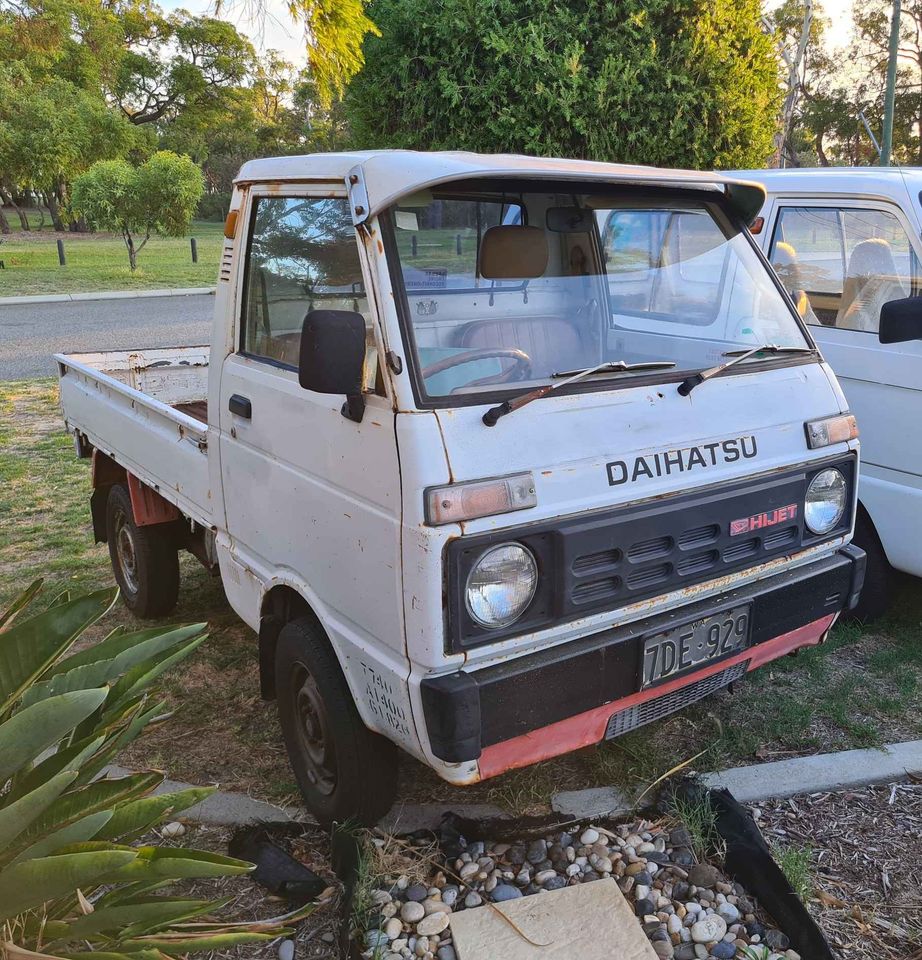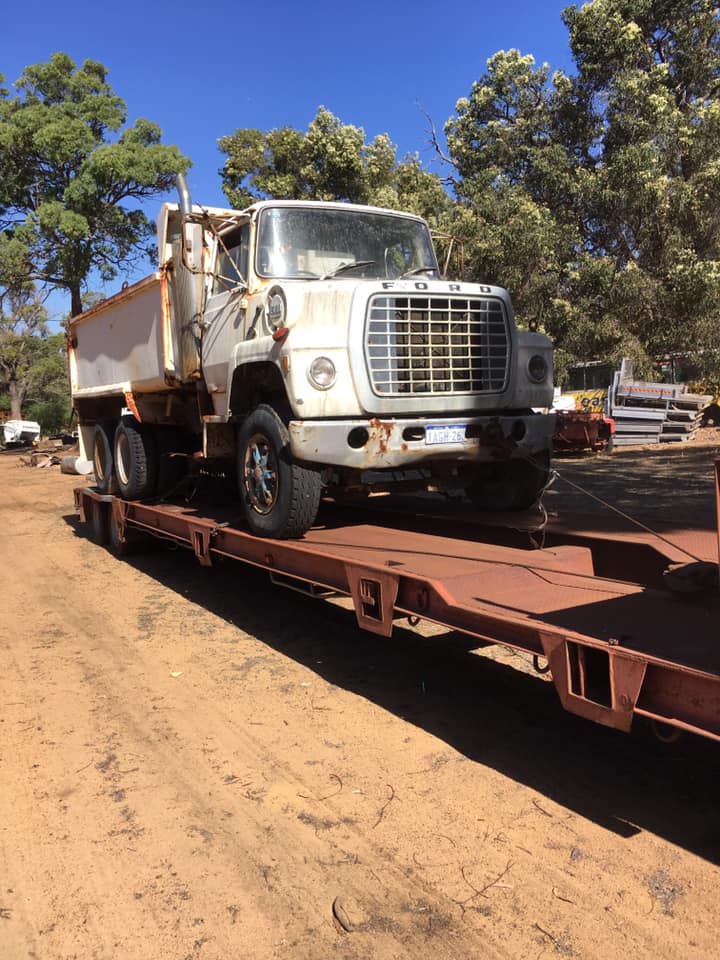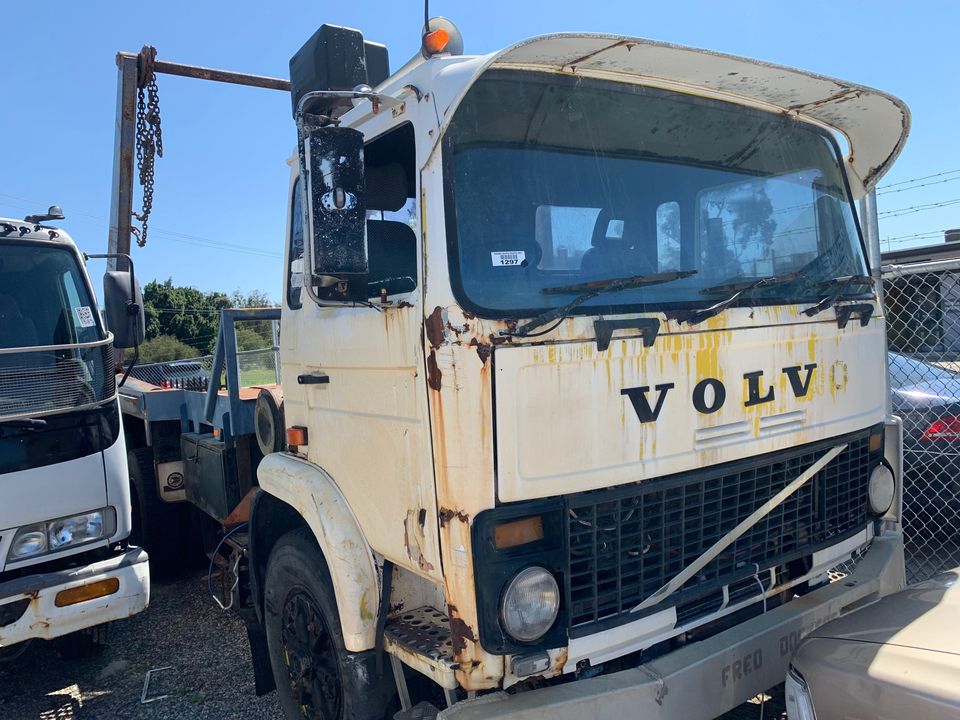

Before selling your car to a removal company in Perth, check what you are handing over, agree on the collection arrangements and keep a record of the sale. A little preparation helps avoid forgotten belongings, misunderstandings about the vehicle and last-minute delays.
You do not need to make a tired vehicle look showroom-ready. The useful work is checking its details, describing its condition honestly and making sure the buyer can collect it as agreed.
1. Clean and prepare your vehicle
For an older car nearing retirement, an expensive detail or cosmetic touch-up is unlikely to be a sensible first step. Ask what the buyer needs before spending money, especially if the car is being bought for dismantling rather than resale.
Start by clearing your belongings from the cabin and boot. Check under the seats, inside the glovebox and around the spare wheel. Remove child seats, garage remotes and loose items that belong to you.
Keep the car complete while you compare offers. Taking out a battery, wheels or fitted accessories after describing the vehicle can change what the buyer is agreeing to purchase. Discuss anything you want to keep before accepting an offer.
2. Gather the car’s details and records
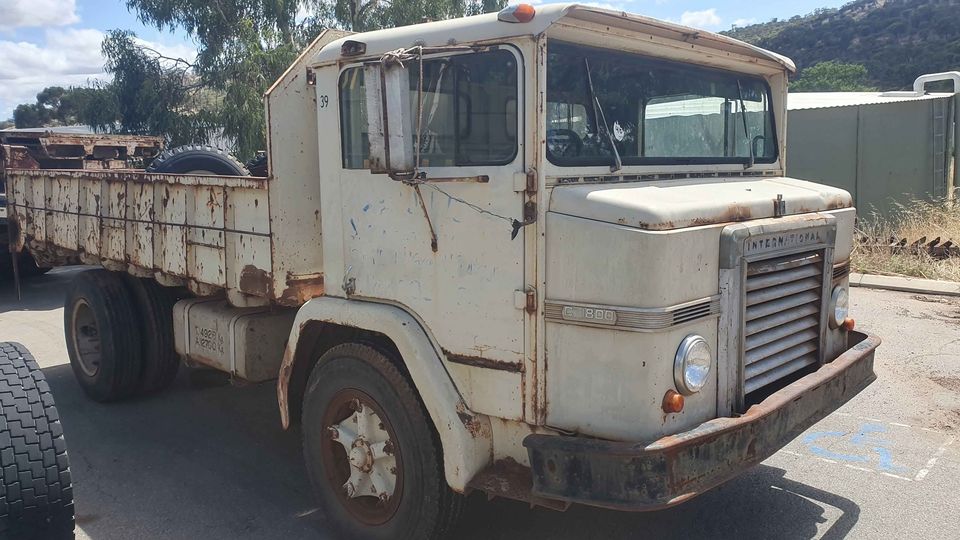
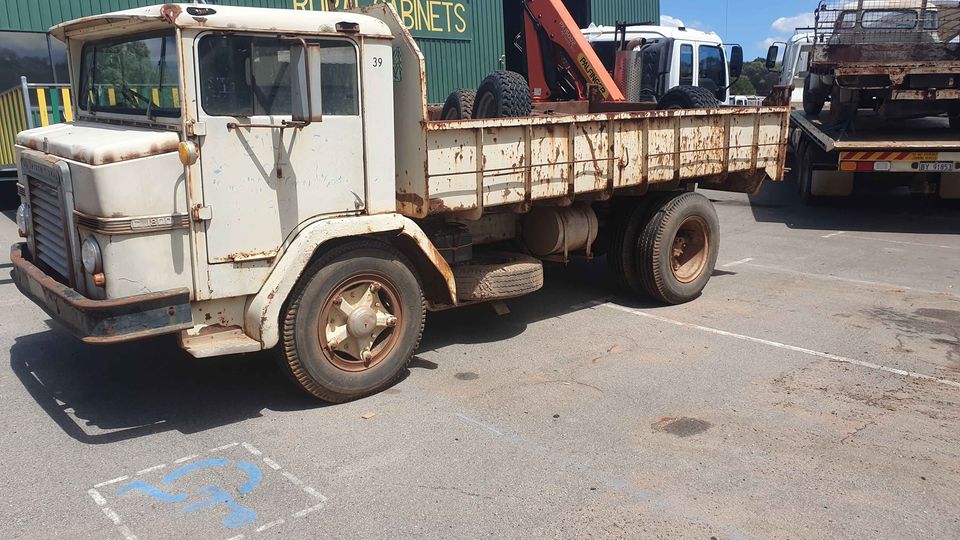
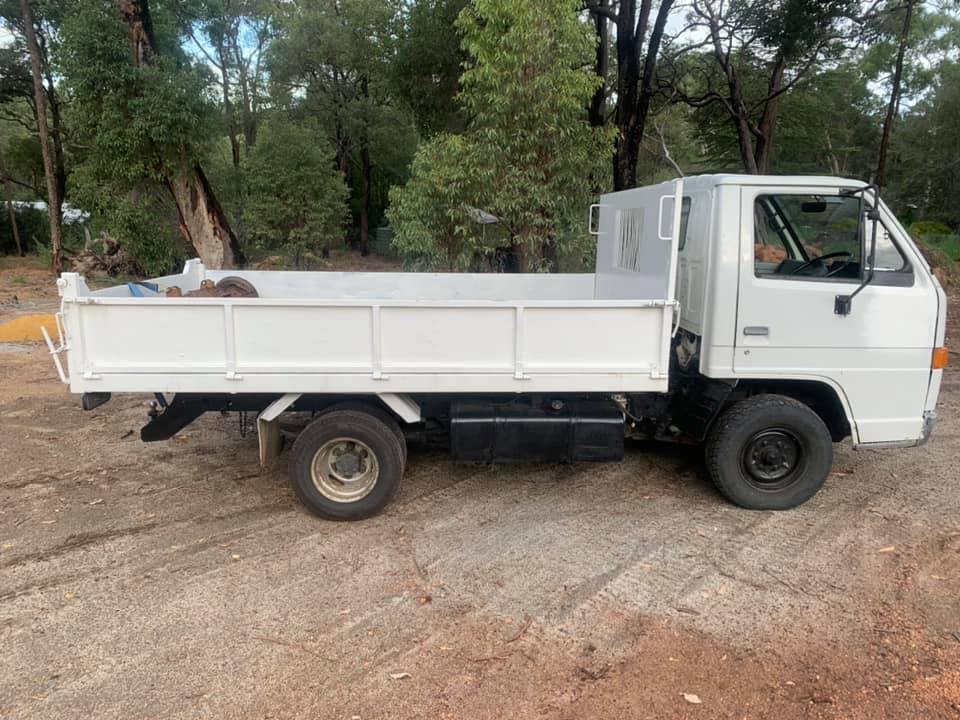
Write down the year, make, model, kilometres and known faults. Take clear photographs of the whole vehicle and any damage. Note whether it starts, rolls and steers; these are different things, and the collection driver needs an accurate description.
A Suzuki Swift hatchback, for example, should be described by its actual year and variant rather than simply as a small car. Check the vehicle identification number against your records so the buyer is discussing the right vehicle.
Gather any purchase receipt, vehicle licence papers, service history and spare keys you have. Ask the buyer beforehand what identification and evidence of ownership they require. If something is missing, explain that before booking collection rather than promising documents you cannot provide.
3. Research a fair price before agreeing
Compare offers for the car in its present condition. Advertised prices for running, privately sold vehicles are a poor comparison for a car that needs towing or substantial repairs. Record what each buyer has been told so you can compare like with like.
Understanding how car valuation works can help you separate an asking price from an offer for the vehicle as it stands. Avoid paying for repairs simply because you hope they will raise the offer; ask whether the buyer would actually value that work.
Get the agreed amount and collection terms in writing, including whether towing is included and what circumstances could change the offer. Confirm the payment method and when payment will be made before handing over the vehicle and keys.
4. Confirm access and collection arrangements
Give the exact pickup address and explain where the car is parked. Mention locked gates, narrow driveways, low garage clearance, flat tyres or a car that cannot be moved. Send access photographs if the driver asks for them.
For a car at a property in Brabham, describe the route from the entrance to the parking spot, including any tight turns or soft ground. The same check matters anywhere in Perth: a street address alone does not tell the driver how to reach the vehicle.
Agree on a collection window and who will be present. Keep keys and any agreed documents together, make arrangements for pets and clear loose obstacles from the access route. Do not try to move an unsafe vehicle just to make collection easier.
5. Make one final check before handover
Walk around the car with the buyer and confirm that its condition matches the agreement. Check the boot and cabin once more, remove saved personal information from connected devices where possible, and keep copies of the receipt and any completed forms.
If you need help arranging the next step, our unwanted car removal service can discuss collection with you on 0420 262 651.
FAQs
Should I remove fitted accessories before collection?
Only after agreeing with the buyer what is included. Personal belongings are yours to take, but removing fitted components can change the vehicle being purchased and the collection arrangements.
What happens to the number plates?
Check the licensing arrangement before handover. If the vehicle licence is cancelled, its plates must be surrendered to DTMI. To retain optional plates when selling a licensed vehicle, arrange their exchange at a DTMI service centre or regional agent before the sale.
Does the buyer handle every notification?
Do not assume so. When you sell or dispose of a WA licensed vehicle, you must notify DTMI within seven days and provide the new owner’s name and address. Confirm which process applies to your sale and keep evidence of your notification.